Sky Italia Streaming Delay Explained Why Live TV Is Not Truly Live
Estimated reading time: 10 to 12 minutes.
Many users notice something unusual when watching live events on Sky Italia. The stream is labeled as live, but it does not match real time. Goals appear later, reactions are delayed, and the timeline does not align with what others are seeing on different platforms. This is not an error. It is a built in behavior of streaming systems.
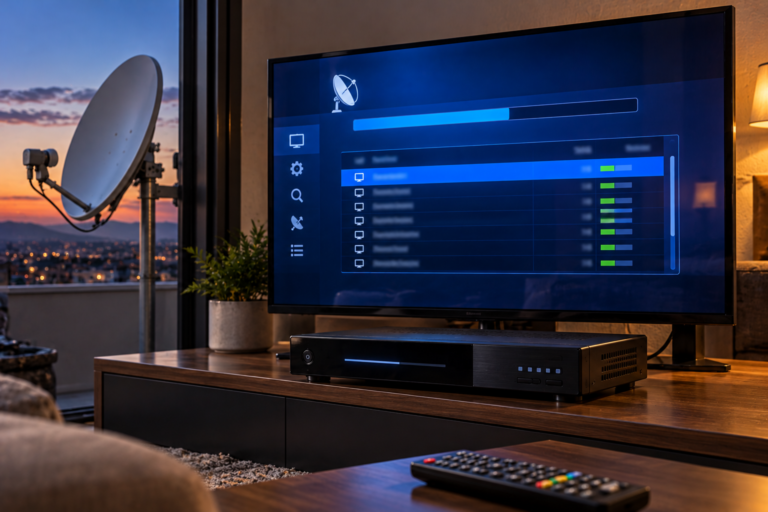
Unlike satellite broadcasting, which delivers signals almost instantly, streaming requires multiple processing steps before playback begins. Each step introduces delay. When combined, these delays create a noticeable gap between the actual event and what appears on screen. Understanding this process explains why live TV is not truly live in streaming environments.
Quick Context. Sky Italia streaming delay is caused by encoding, segmentation, buffering, and network delivery. These steps ensure stable playback but introduce unavoidable time delay compared to real time events.
Table of Contents
What streaming delay really means
Satellite vs streaming timing differences
Network latency and transmission delay
Adaptive streaming impact on delay
What streaming delay really means
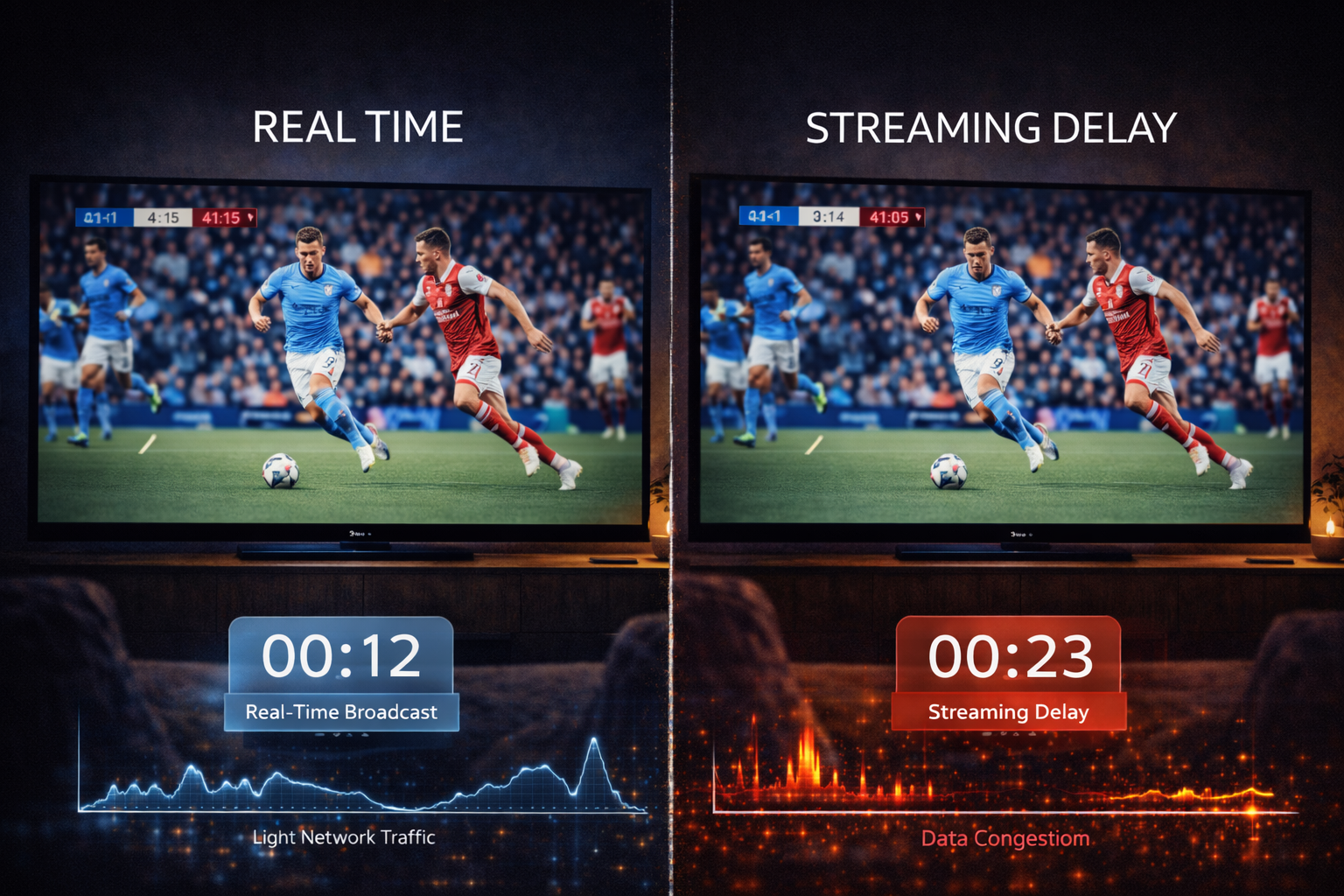
Streaming delay is the time difference between a real event and when it appears on your screen. This delay is measured in seconds and can vary depending on the system and conditions.
In traditional broadcasting, delay is minimal because the signal is transmitted directly. In streaming, delay accumulates as data moves through multiple stages.
This delay is not a failure. It is part of how streaming systems maintain stability and quality.
Satellite vs streaming timing differences
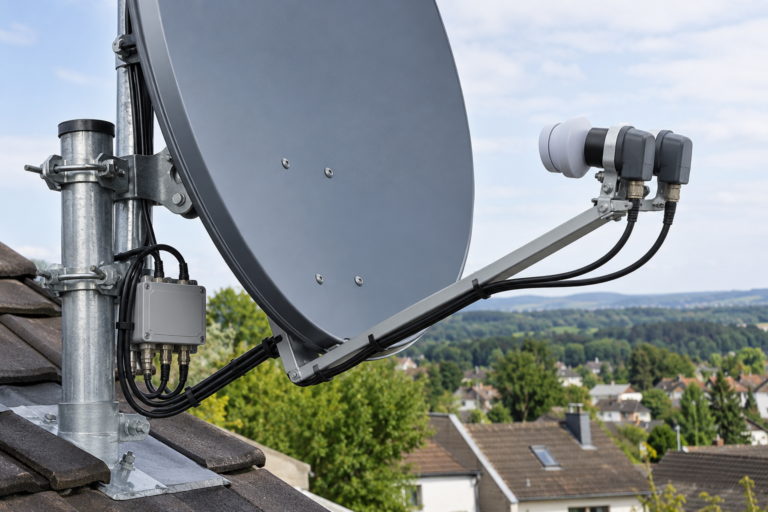
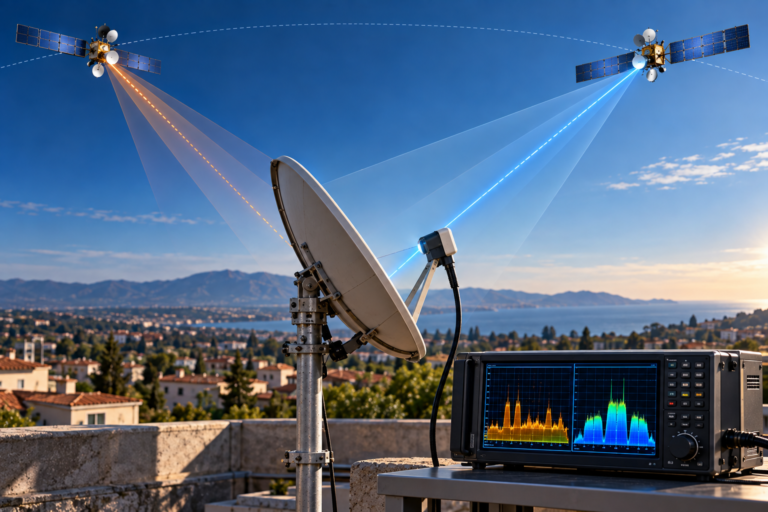
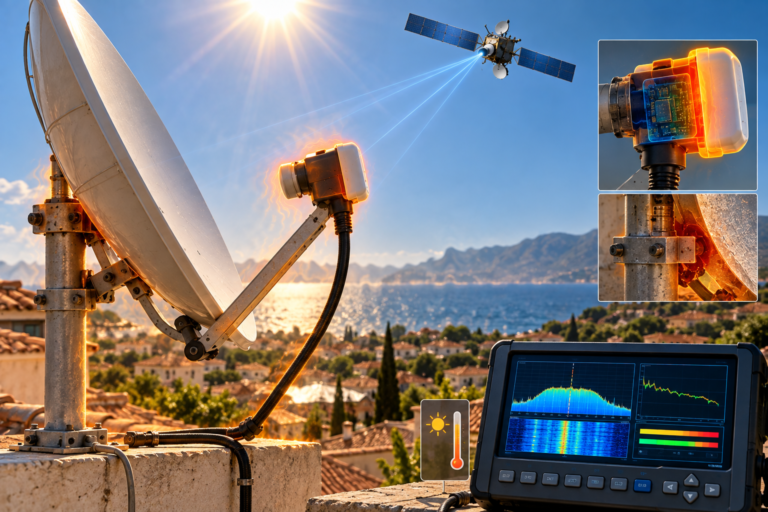
Satellite broadcasting sends a continuous signal to all users simultaneously. Once the signal reaches your dish, playback begins almost instantly.
Streaming does not work this way. It requires data to be processed, divided, transmitted, and buffered before playback.
This creates a fundamental difference. Satellite is near real time, while streaming is delayed by design.
This is why live events appear earlier on satellite than on streaming platforms.
The role of video encoding
Before video can be streamed, it must be encoded into a digital format. This process compresses the video into manageable data sizes.
Encoding takes time. Even if the delay is small, it contributes to the overall gap.
For live events, encoding happens continuously. Each frame must be processed before it can be delivered.
This is the first stage where delay begins.
Segmented delivery and timing
Streaming systems divide video into small segments. Each segment represents a short portion of the stream.
These segments must be created before they can be delivered. This introduces additional delay.
The device cannot play video until it receives complete segments. This requirement adds to the timing gap.
Segmented delivery improves flexibility but increases delay compared to continuous signals.
Buffering and playback delay
The buffer stores video data before playback begins. This ensures smooth viewing by protecting against interruptions.
However, buffering adds delay. The system waits until enough data is available before starting playback.
During playback, the buffer continues to maintain a small reserve. This keeps the stream stable but increases the gap between real time and playback.
Without buffering, streaming would be unstable and prone to interruptions.
Network latency and transmission delay
Latency affects how quickly data travels from servers to your device. Each request for video data takes time.
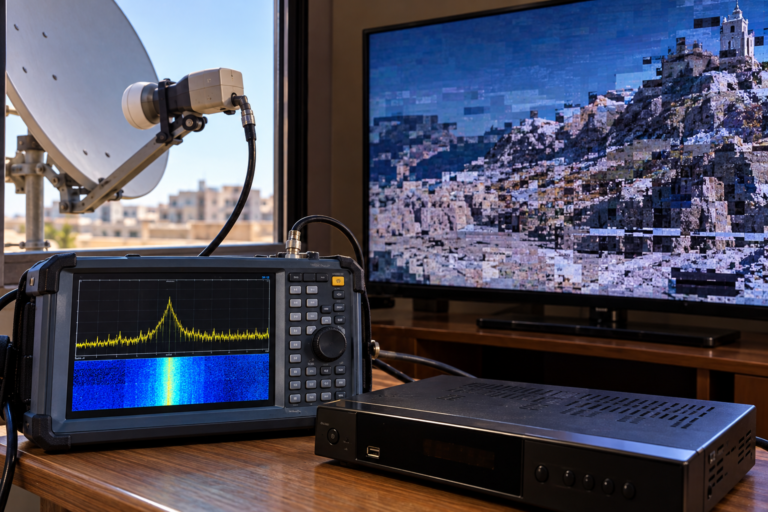
Higher latency increases delay. Even if the connection is fast, delayed responses add to the total gap.
Latency also varies based on network conditions. Congestion and routing can increase delay during peak times.
This means streaming delay is not always constant.
Adaptive streaming impact on delay
Adaptive streaming adjusts quality based on network conditions. This process can also affect delay.
When conditions change, the system may switch between different quality levels. This requires coordination between segments and buffers.
These adjustments can introduce additional timing differences, especially during unstable conditions.
Adaptive systems prioritize smooth playback, which sometimes increases delay.
Why delay is necessary for stability
The delay in streaming is not a flaw. It is a design choice that allows the system to function reliably.
Without delay, there would be no buffer. Without a buffer, any network interruption would stop playback immediately.
The delay provides a safety margin. It allows the system to absorb fluctuations in data delivery.
This trade off between delay and stability is essential for streaming systems.
| Stage | Function | Delay Contribution | Impact |
|---|---|---|---|
| Encoding | Compress video | Initial delay | Processing time |
| Segmentation | Divide into segments | Additional delay | Structured delivery |
| Buffering | Store data | Playback delay | Stability |
| Network | Transmit data | Variable delay | Latency impact |
| Adaptive system | Adjust quality | Dynamic delay | Smooth playback |
Reality Check
Streaming delay is an unavoidable part of internet based delivery. It is not caused by poor performance alone. Even under ideal conditions, some delay will always exist because of how the system is designed.
Final Verdict
Sky Italia live streaming is not truly live because it relies on encoding, segmentation, buffering, and network delivery. Each step introduces delay, but also ensures stability and quality. Understanding this balance helps explain why streaming behaves differently from traditional broadcasting. In modern systems, a small delay is the cost of reliable playback.
FAQ
| Question | Answer |
|---|---|
| Why is live streaming delayed | Because video must be processed, segmented, and buffered before playback. |
| Is streaming delay avoidable | No. Some delay is necessary for stable playback. |
| Is satellite faster than streaming | Yes. Satellite delivers near real time signals with minimal delay. |
| Does internet speed affect delay | It can reduce delay, but cannot eliminate it completely. |
| Why does delay change sometimes | Because network conditions and system behavior vary over time. |