Why Astra 19.2°E Rarely Faces Signal Congestion
Estimated reading time: 17 minutes.
Signal congestion is a familiar problem in many modern distribution systems. During peak hours, viewers often experience buffering or interruptions. Satellite television behaves differently. Across Europe, Astra 19.2°E rarely faces congestion even when millions watch at the same time. This article explains why.
Quick Context
This article explains congestion from a distribution design perspective rather than a consumer complaint viewpoint.
What Signal Congestion Really Is
Congestion occurs when too many users compete for limited distribution capacity.
This is common in systems where each viewer consumes individual bandwidth. Satellite broadcasting follows a different model.
Satellite Broadcasting Architecture
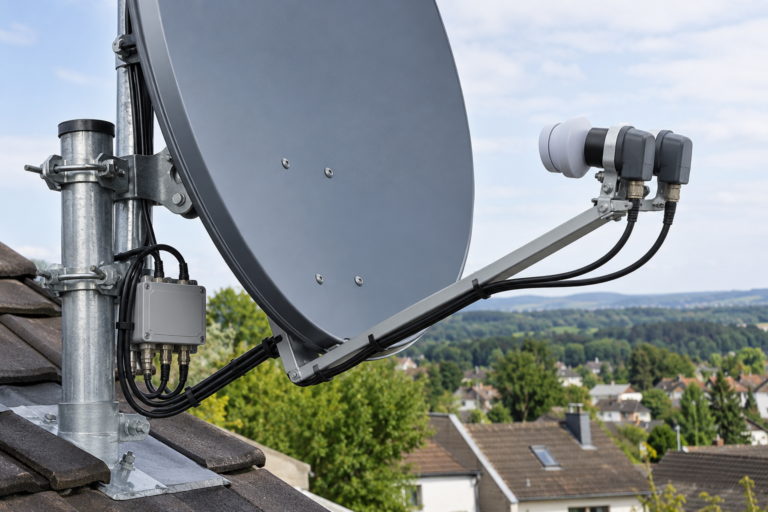
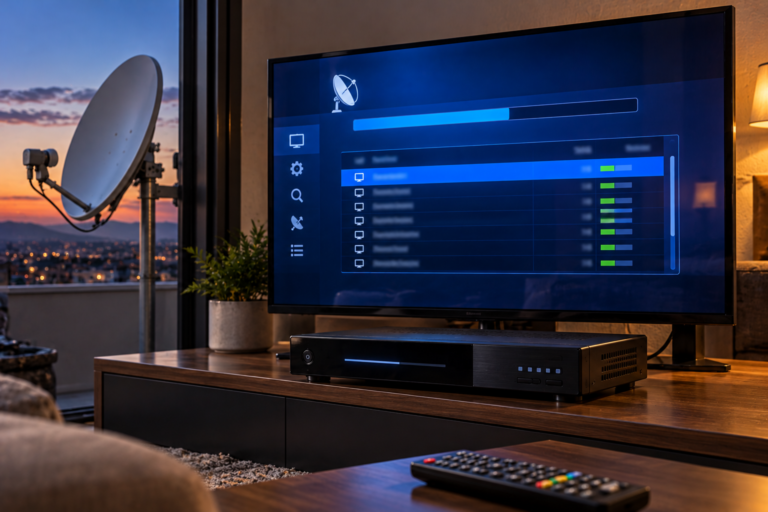
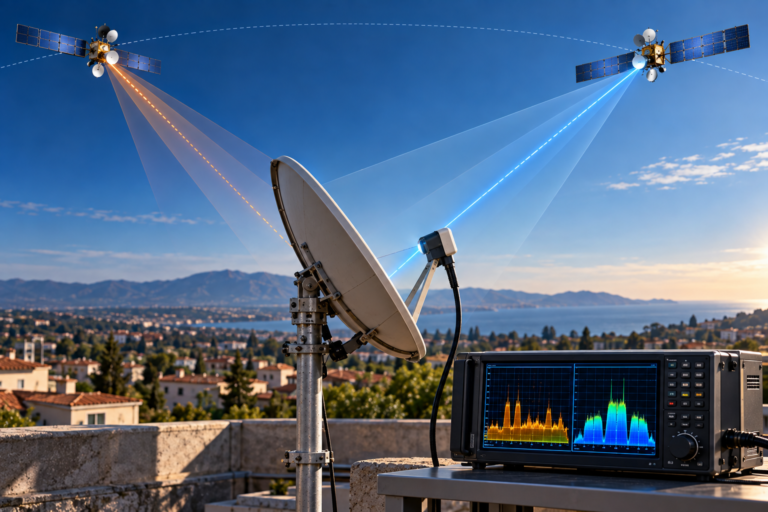
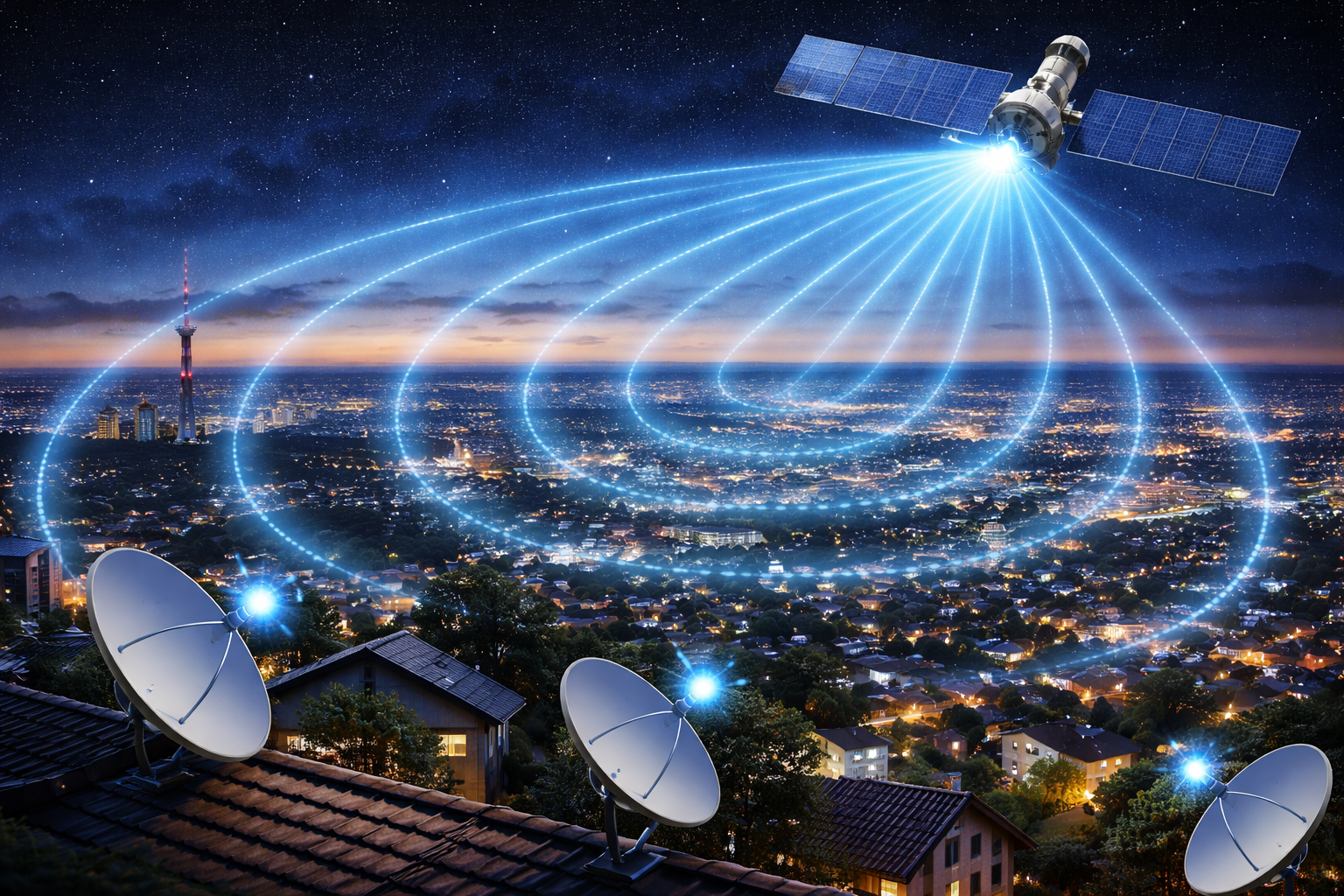
Astra 19.2°E transmits the same signal to all viewers simultaneously.
Whether one household or millions tune in, the transmission load remains constant. This design inherently avoids congestion.
Congestion disappears when viewers share the same signal.
One-to-Many Transmission Model
Satellite television operates on a broadcast model.
Unlike internet streaming, it does not scale per viewer. This one-to-many approach ensures stable performance regardless of audience size.
Built-In Capacity Planning
Satellite capacity is planned years in advance.
Transponders are allocated to handle expected demand with margins for peak usage. This foresight prevents overload.
Independence From Local Networks
Satellite delivery bypasses local broadband infrastructure.
It is unaffected by neighborhood traffic spikes or regional network bottlenecks. This independence preserves signal quality.
Performance During Peak Viewing Hours
Major events concentrate viewers.
Astra 19.2°E handles these peaks gracefully because viewer numbers do not increase transmission complexity. The system remains stable.
Reality Check
Astra 19.2°E rarely faces signal congestion because its broadcast model is not affected by audience size or local network limits.
Final Verdict
Final Verdict
Signal congestion is a design problem. Astra 19.2°E avoids it by using a one-to-many broadcast architecture that delivers the same signal to all viewers without competition.
Frequently Asked Questions
| Question | Answer |
|---|---|
| Why doesn’t satellite TV suffer from congestion? | Because all viewers receive the same broadcast signal simultaneously. |
| Is congestion common with streaming services? | Yes. Streaming scales per user and depends on local network capacity. |
| Does Astra 19.2°E ever slow down? | Performance remains stable under normal operating conditions. |
| Is satellite better for live events? | Yes. Live broadcasts benefit from congestion-free distribution. |