How Live Sports Shape Evening TV Habits in Germany Austria and Switzerland
Estimated reading time: 12 minutes
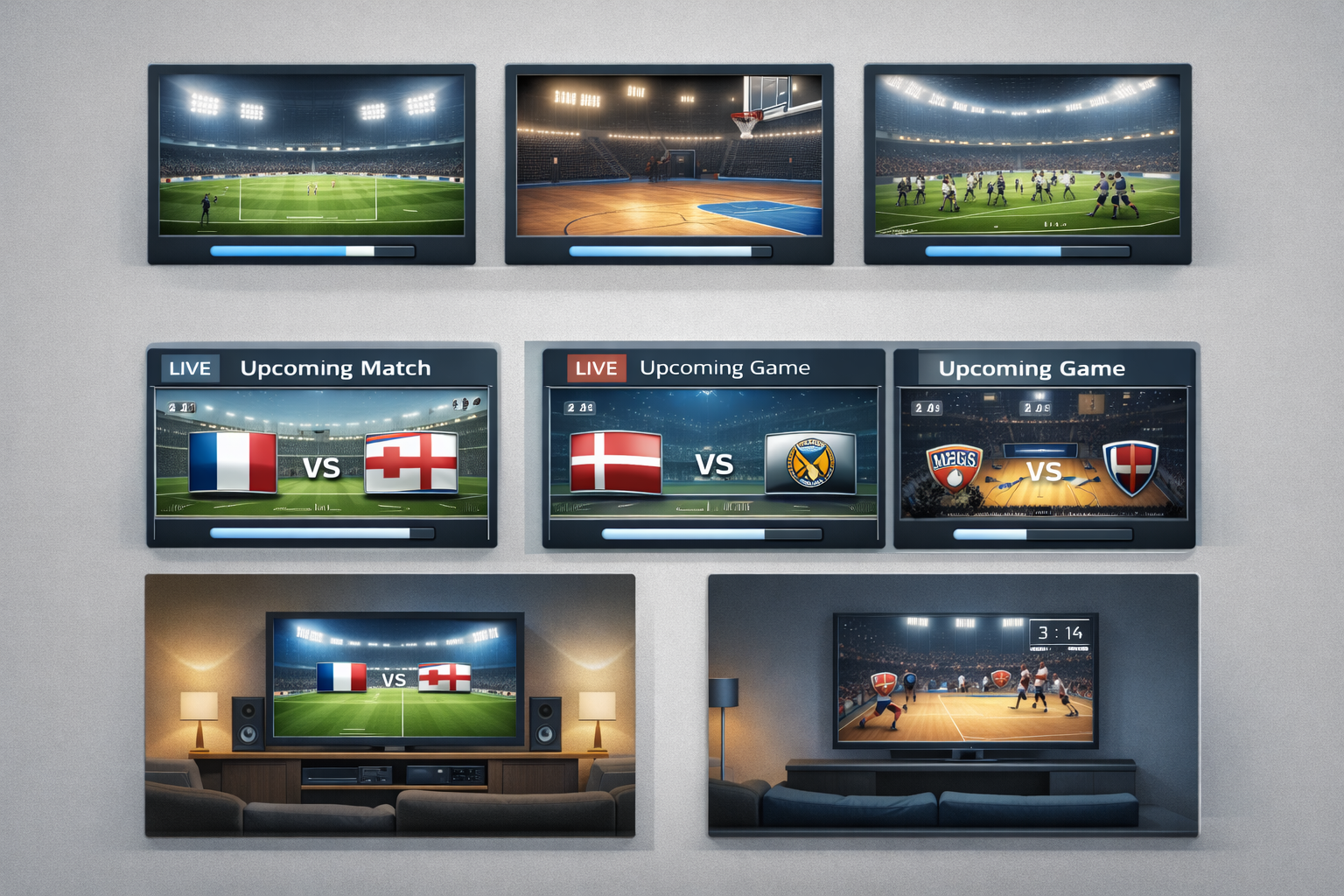
Evening television habits in Germany, Austria, and Switzerland are strongly shaped by live sports. While on-demand viewing continues to grow, live matches still define how many households organize their evenings.
Live sports introduce fixed moments into otherwise flexible schedules. These moments influence not only what people watch, but when they watch television.
This article explains how live sports shape evening TV habits across the DACH region and why this influence remains strong in 2026.
Table of Contents
Prime time built around live matches
In the DACH region, prime time television often aligns with live sports schedules. Major matches are deliberately placed in evening hours when families are home.
This alignment ensures maximum audience concentration.
Why evenings remain the key viewing window
Evenings offer a natural pause after work and daily responsibilities. Live sports fit this moment by offering structured entertainment with a clear beginning and end.
Television becomes part of the evening rhythm.
Household routines and shared viewing
Live sports encourage collective viewing. Families and roommates often gather around major events, reinforcing television as a shared experience.
Shared viewing strengthens habit formation.
Weekend spillover into weekday habits
Weekend sports routines influence weekday behavior. Viewers accustomed to watching live matches on weekends are more likely to tune in during weekday evenings.
Sports viewing patterns extend across the week.
The role of predictable scheduling
Predictable match schedules help viewers plan evenings in advance. This predictability reduces friction and encourages consistent viewing.
Reliability supports long-term habits.
How broadcasters protect evening slots
Broadcasters protect evening sports slots because they anchor audience attention. Surrounding programming is often adjusted to support live events.
Sports shape the entire evening lineup.
Why live sports resist time shifting
Unlike series or films, live sports lose value when delayed. Viewers prefer to watch events as they happen, preserving suspense and authenticity.
This resistance keeps live sports tied to evening schedules.
Frequently Asked Questions
Why do live sports dominate evening television in the DACH region
Live sports offer real time excitement that fits naturally into evening viewing routines.
Are evening sports broadcasts still popular in 2026
Yes. Evening hours remain the most reliable window for live sports viewing across Germany, Austria, and Switzerland.
Do streaming platforms change evening sports habits
Streaming complements live viewing but has not replaced traditional evening sports broadcasts.
Why do broadcasters prioritize evening sports schedules
Evening sports deliver concentrated audiences and predictable engagement.
Will evening sports viewing remain important in the future
As long as live sports matter culturally, evenings will remain central to sports broadcasting.