The Importance of Consistent Broadcasting During Crises
Estimated reading time: 11 minutes
During a crisis, uncertainty spreads faster than facts. In these moments, people look for information sources that feel stable, familiar, and dependable. Across Europe, television continues to play a central role in providing that reassurance.
Consistent broadcasting is not about speed or dramatic presentation. It is about continuity. Viewers need to know that information will arrive clearly, calmly, and without interruption.
This article explains why consistent broadcasting during crises is essential and how European television systems are designed to deliver stability when it matters most.
Table of Contents
- Why consistency matters during emergencies
- Television as a trusted crisis channel
- Avoiding panic through stable communication
- Infrastructure designed for resilience
- The role of public service broadcasters
- Consistency across platforms and regions
- What viewers expect during a crisis
- Reality Check
- Final Verdict
Why consistency matters during emergencies
In a crisis, sudden changes in tone, format, or availability can increase anxiety. Consistency helps people process information without additional stress.
A familiar broadcast structure creates a sense of control in uncertain situations.
Television as a trusted crisis channel
Despite the growth of digital platforms, television remains one of the most trusted sources during emergencies. Its reach and reliability make it accessible to all age groups.
Trust is built on years of consistent performance.
Avoiding panic through stable communication
Calm delivery and steady scheduling reduce speculation and rumor. Viewers are less likely to panic when information arrives predictably.
Consistency becomes a psychological anchor.
Infrastructure designed for resilience
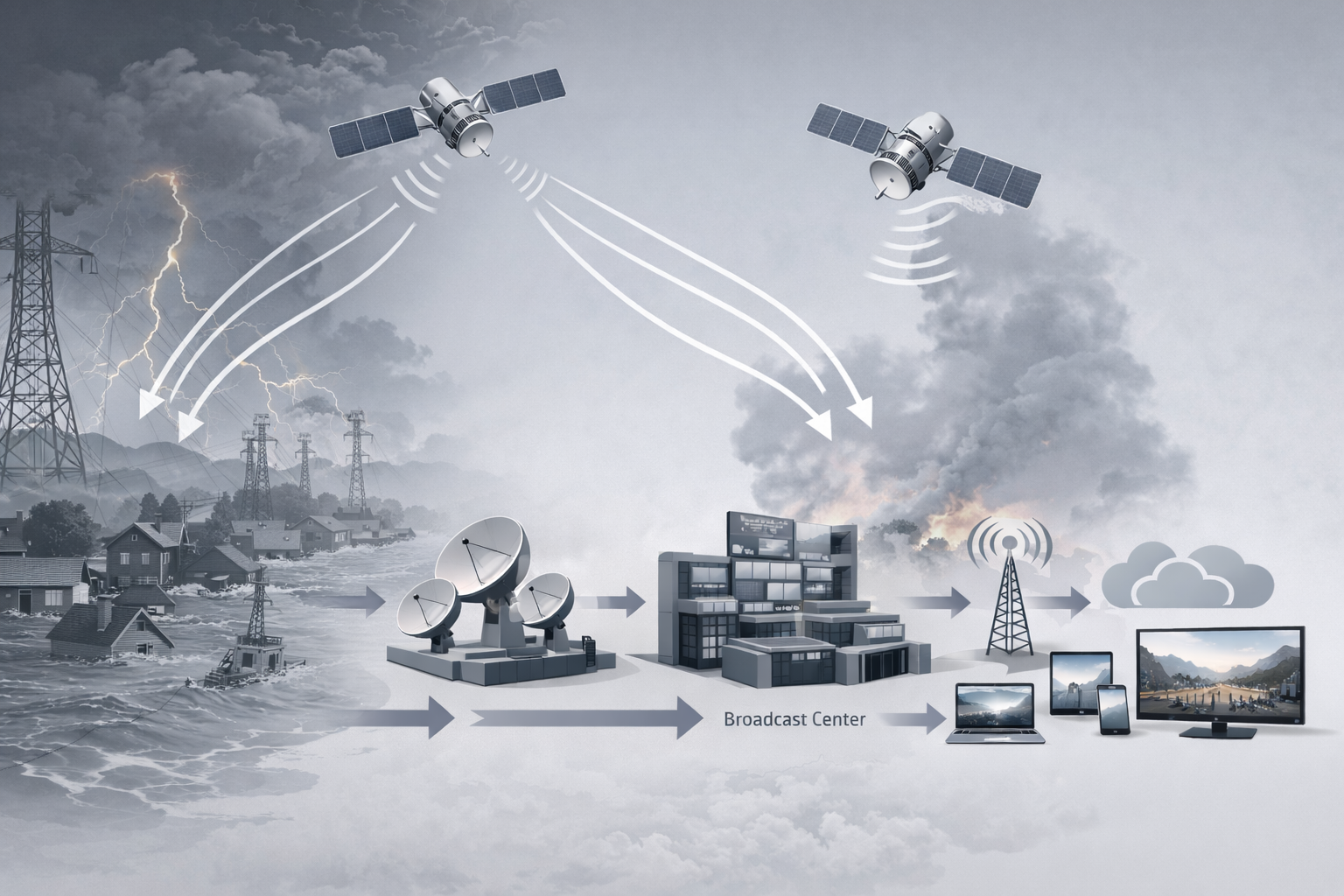
European broadcast infrastructure includes backup power, redundant transmission paths, and emergency control centers.
These systems ensure continuity even under extreme conditions.
The role of public service broadcasters
Public broadcasters across Europe carry a mandate to inform during crises. Their focus is accuracy and public safety rather than competition.
This mission reinforces trust and credibility.
Consistency across platforms and regions
During major crises, messaging must remain consistent across regions and distribution platforms. Viewers expect the same information regardless of how they receive it.
Unified communication prevents confusion.
What viewers expect during a crisis
Viewers expect clarity, repetition, and reassurance. They do not want constant reinvention or sensationalism.
Consistency becomes a service in itself.
Reality Check
In a crisis, how information is delivered matters as much as what is delivered.
Final Verdict
Consistent broadcasting during crises provides clarity, trust, and stability. European television systems succeed not by reacting loudly, but by remaining calm, reliable, and present when audiences need them most.