Background TV Habits Czech Homes 2026
Estimated reading time: 13 minutes.
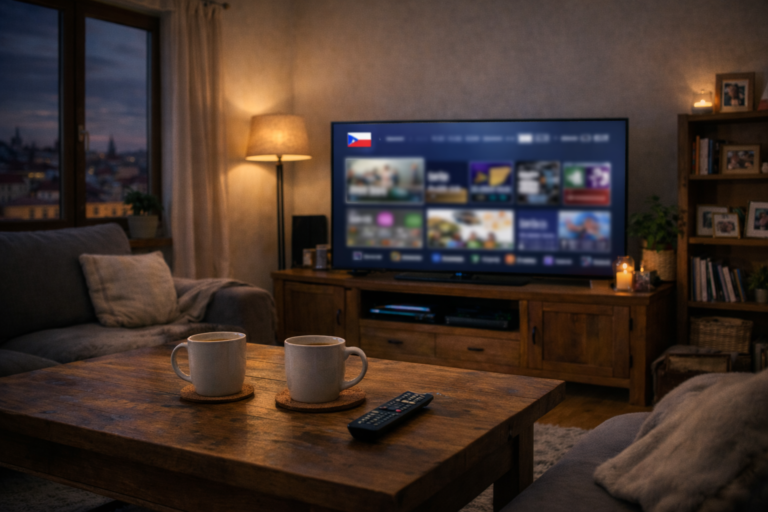
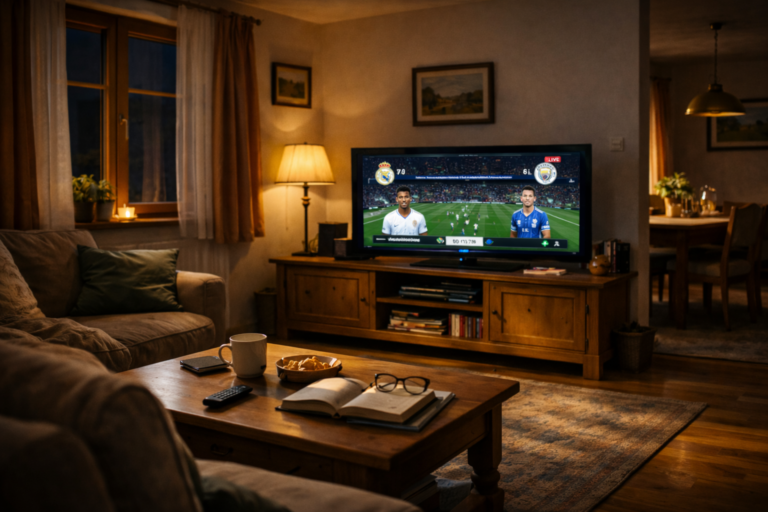
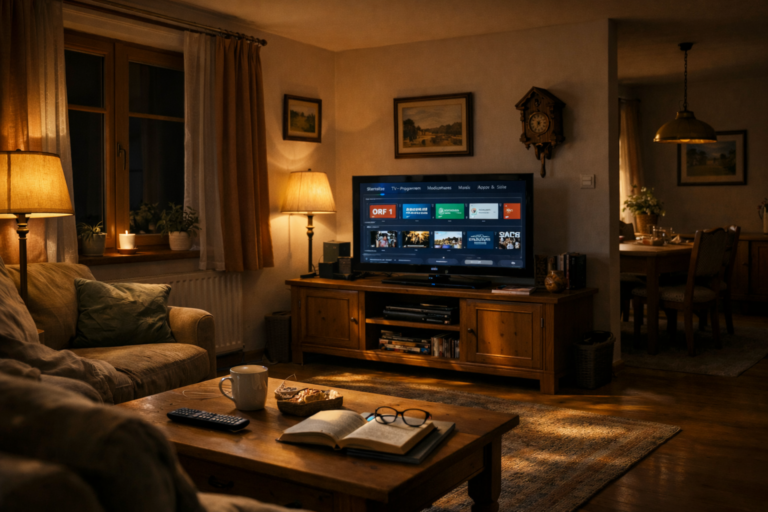
In Czech homes in 2026, background TV is not a random habit. It is a stable part of everyday life that supports routines, reduces silence, and creates a comfortable atmosphere. The screen stays on even when nobody is watching closely.
This type of passive viewing connects closely with broader family viewing patterns described in how Czech families watch television at home in 2026, where shared space and low effort choices shape what plays on the screen throughout the day.
Quick Context
This article explores why background TV is common in Czech households in 2026 and how it fits into daily routines, multitasking, and home comfort behavior.
- What background TV means in daily life
- Why households keep TV on all day
- The main moments background TV appears
- What type of content works in the background
- Flexible attention and multitasking
- Routine driven passive viewing
- Background viewing patterns in Czech homes
- Reality Check
- Final Verdict
- Frequently Asked Questions
What background TV means in daily life
Background TV means the screen is on without full attention. It provides sound, light, and a sense of presence in the room.
In many homes, it replaces silence and makes the environment feel more active.
Why households keep TV on all day
There are simple reasons behind this habit. People want a familiar environment, light entertainment, and a steady flow of sound while doing other tasks.
Turning off the TV would require a conscious decision. Leaving it on is easier and more comfortable.
The main moments background TV appears
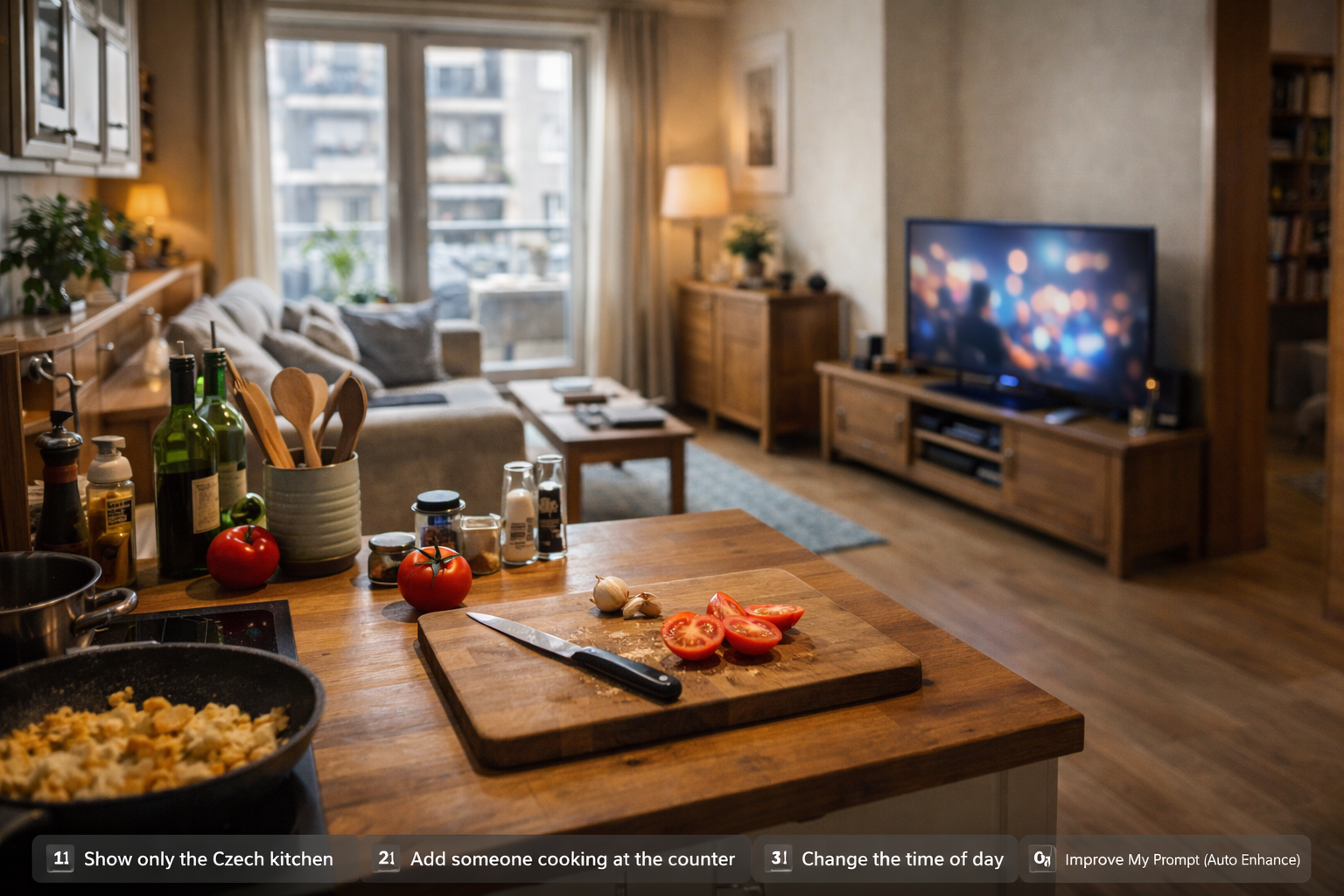
Background TV appears during cooking, cleaning, working from home, and relaxing after work. It is present in both daytime and evening routines.
These repeated moments create a daily pattern where the screen becomes part of the household environment.
What type of content works in the background
Content used for background viewing must be easy to follow. It should allow viewers to look away and return without confusion.
Predictable formats and familiar programs are the most common choices.
Flexible attention and multitasking
Background TV supports multitasking. People cook, clean, talk, or use their phones while the TV plays.
Attention moves in and out of the screen depending on what is happening in the home.
Routine driven passive viewing
Over time, background TV becomes a routine. The same channels and formats appear at the same times each day.
This repetition reduces effort and creates a predictable daily rhythm.
Background TV behavior in Czech homes 2026
| Daily moment | Viewer behavior | Attention level |
|---|---|---|
| Morning | TV on during preparation and quick updates | Low |
| Midday | Background viewing during tasks and work | Low |
| Late afternoon | Light viewing during breaks | Medium |
| Evening | Shared background TV with flexible attention | Low to medium |
| Night | Quiet passive viewing before sleep | Low |
Reality Check
Background TV is one of the most stable viewing habits in Czech homes. It is driven by comfort, routine, and low effort behavior rather than active content selection.
Final Verdict
Final Verdict
In Czech households in 2026, background TV is a core part of daily life. It supports routines, fills silence, and allows flexible attention throughout the day and evening.
Frequently Asked Questions
| Question | Answer |
|---|---|
| Do Czech households keep TV on all day | Many homes keep the TV on for long periods as background sound. |
| Why is background TV so common | It creates comfort and supports daily routines without requiring attention. |
| Is background TV actively watched | Not fully, attention is flexible and shared with other tasks. |
| What type of content works best in the background | Familiar and easy to follow programs that allow viewers to come and go. |