How Homes Align Astra 28.2E in 2026

Estimated reading time: 15 minutes.
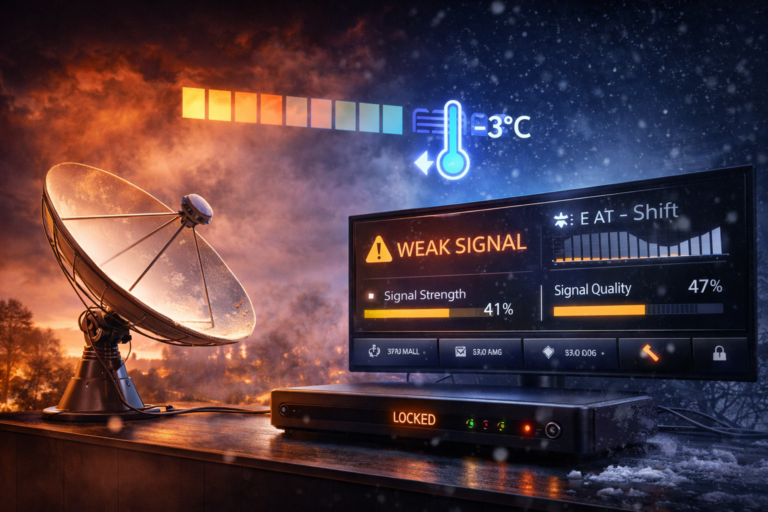
Aligning Astra 28.2E at home in 2026 feels like a careful habit more than a one-time task. Families who do it well pay attention to stability, building layout, and small adjustments. Instead of chasing numbers, they build a calm method that works with their everyday living space.
Quick Context
This article explains how residential setups across homes locate and align Astra 28.2E in 2026 in practical ways that fit daily life. The focus is on common-sense installation choices, not on brand-specific tools.
Planning before alignment
Most homes that align Astra 28.2E successfully in 2026 start with a simple plan. Before touching the mount, they think about where the dish will live and how it will interact with daily life. This planning phase sets the tone for everything that follows.
First, check the available line of sight. Walk around the intended location and look toward the direction Astra 28.2E should face. Trees, balconies, and other structures often hide or reflect signals. If something blocks your view, the alignment process becomes harder later.
Second, consider how often you will need to adjust or maintain the dish. If you foresee frequent access problems, upgrade the mount or choose another location before alignment begins. A simple planning step today saves repeated adjustments tomorrow.
Finally, gather a rough direction reference. A compass tool, phone app, or online direction guide can give you a calm starting point. This provides a reference that you will use again during fine-tuning.
Alignment begins with thoughtful location choice before the first turn of the dish.
Shared building systems and distribution
In many shared buildings across Europe, a communal satellite system already exists. This means one dish on the roof or an external structure feeds multiple homes via cable. In 2026, this is a common environmental choice.
The advantage is obvious: only one alignment needs to be correct, and many apartments benefit from it. If your building offers this option, a quick check with your neighbors or property management can save individual alignment altogether.
Sometimes the shared system uses a mix of satellites. Make sure Astra 28.2E is part of the distribution plan. Ask for the distribution amplifier’s configuration or scan results on your receiver to confirm. This keeps everyone on the same page and prevents mismatches.
Balcony mounts and their character
Balcony mounts are popular in urban homes. They are accessible and do not require rooftop access. But they have their own character.
Wind, railing vibration, and nearby obstructions can affect stability. Even a small breeze can cause minor dish movement if the mount is not rigid. This makes alignment feel unstable over time, even if the initial pointing was good.
If you choose a balcony, make sure the mount is as solid as possible. Use appropriate brackets and check for vibration. The goal is not just alignment, but long-term consistency so the satellite remains found at all times.
Some balcony situations are deceptive. They seem open at a glance but hide reflections from windows or nearby walls. A small test scan from the living room before final mounting helps confirm that the location is suitable.
Wall mounts and stability
Mounting a dish on an exterior wall is often the most balanced choice for many homes. A wall mount offers stability, avoids railing vibration, and usually gives a cleaner line of sight than a lower balcony.
In 2026, wall mounts are especially common when a building rule forbids roof access or when shared systems are not feasible. Make sure you place the dish high enough to avoid obstacles without climbing into unsafe zones.
Check for horizontal alignments first. A loosely level mount can make elevation readings less reliable. Fixing the mount level before you align helps the process become predictable. This small step saves time during fine tuning.
Rooftop alignment and safety
A rooftop mount can provide the clearest view for Astra 28.2E. In 2026, many apartments and houses still prefer this option if it is accessible and safe. The advantage is a wide line of sight with fewer blockers.
Safety matters. Never climb rooftops without secure access and a reliable ladder. Many people underestimate roof hazards. A calm alignment is one where safety is never compromised for convenience.
Once you are safe, follow the same alignment principles you would on a balcony or wall mount: rough direction first, small fine adjustments after, then secure tightening. A rooftop setup can serve long term if planned well.
Neighbors, regulations, and common sense
In shared living spaces, alignment is not only technical. It is social. Before you mount or align, check any building rules or agreements about satellite dishes. Some buildings have guidelines about where a dish can be placed or what type of brackets are allowed.
Conversations with neighbors can preempt conflicts. If your chosen location is near a common wall or shared balcony, make sure it does not interfere with someone else’s view or hardware. A calm installation respects both technical needs and social boundaries.
If regulations are strict, consider alternatives. Sometimes a shorter mount or different orientation achieves the same signal without breaching rules. In 2026, practical installers always balance signal goals with common sense.
Reality Check
Homes that align Astra 28.2E in 2026 treat alignment as part of their living space, not a separate technical project. They prepare location, check surroundings, and think about long-term stability before turning the dish.
Final Verdict
Final Verdict
Aligning Astra 28.2E in 2026 across homes is less about precision tools and more about common-sense choices about location, stability, and social context. A calm, well-planned setup provides consistent reception without constant adjustment.
Frequently Asked Questions
| Question | Answer |
|---|---|
| Do shared satellite systems include Astra 28.2E | Often yes, but it is best to confirm with the building’s distribution plan or receiver scan results. |
| Is a balcony mount always good | It can be, if the mount is stable and there are no major obstructions nearby. Vibration is the main concern. |
| Why check building rules first | Some regulations limit where dishes can be mounted. Checking first prevents conflicts with neighbors or management. |
| What makes wall mounts useful | They are stable and often provide a cleaner line of sight than lower balcony placements. |
| How does rooftop alignment help | Rooftop alignment typically gives the clearest view of the horizon and fewer blockers, but safety comes first. |