How Astra 19.2°E Keeps Broadcasting Stable During Peak Viewing Hours

Estimated reading time: 16 minutes.
Peak viewing hours are the hardest test for any broadcast system. Millions of viewers. Simultaneous access. Live content. No tolerance for delay. Astra 19.2°E remains stable during these moments not by accident, but by design. This article explains how that stability is maintained across Europe.
Quick Context
This article focuses on operational stability rather than satellite hardware. It explains how distribution systems survive the moments of highest demand.
- Why Peak Hours Stress Broadcast Systems
- Managing Simultaneous Audience Load
- Distribution Architecture That Scales
- Continuous Monitoring During Prime Time
- Redundancy Under Real Conditions
- Handling Major Live Events
- Operational Discipline at Scale
- Reality Check
- Final Verdict
- Frequently Asked Questions
Why Peak Hours Stress Broadcast Systems
During peak hours, demand is not gradual. It is instant. Millions of receivers activate at the same moment.
Any weakness in distribution becomes visible quickly. This is why prime time performance defines broadcaster credibility.
Managing Simultaneous Audience Load
Satellite distribution does not rely on shared last mile bandwidth. Each receiver gets the same signal without competing with others.
This makes satellite particularly strong during synchronized viewing.
Prime time reveals the true quality of distribution.
Distribution Architecture That Scales
Astra 19.2°E operates within an architecture designed for high concurrency. Planning assumes peak, not average usage.
Continuous Monitoring During Prime Time
Real time monitoring detects small deviations before they escalate. Fast reaction keeps failures invisible.
Redundancy Under Real Conditions
Backup paths and failover systems ensure continuity even during localized issues.
Handling Major Live Events
Sports and news spikes are planned operational scenarios, not surprises.
Operational Discipline at Scale
Process consistency matters as much as technology.
Reality Check
Prime time stability is achieved through architecture, monitoring, and disciplined operations, not by chance.
Final Verdict
Final Verdict
Astra 19.2°E maintains stability during peak viewing hours because it is built to handle synchronized mass audiences reliably.
Frequently Asked Questions
| Question | Answer |
|---|---|
| Why is satellite strong during peak hours? | Because the signal is not shared between users and scales naturally with audience size. |
| Do live events increase risk? | They increase load, but systems are designed to expect and manage these conditions. |
| Is monitoring important during prime time? | Yes. Early detection prevents visible service disruption. |
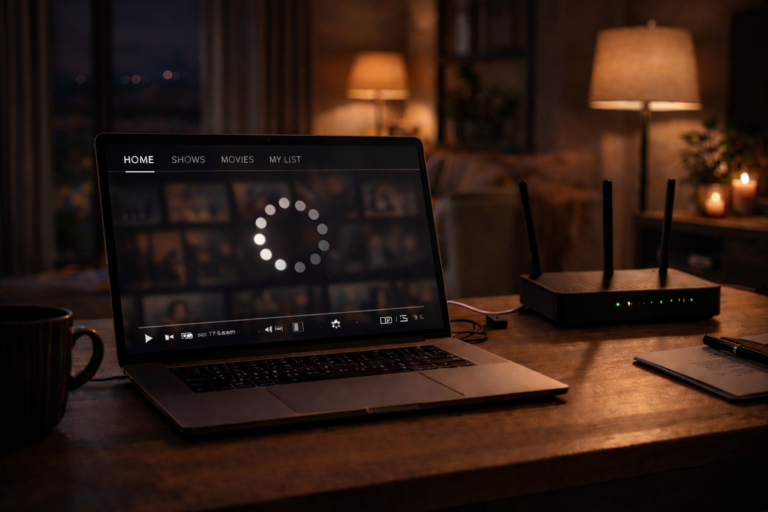
| Can streaming handle this scale as reliably? | Not always. Network congestion can affect performance. |