Why Football Viewership Peaks Only During Live Matches
Estimated reading time: 16 minutes.
Football attracts millions of viewers. Yet almost all of that attention concentrates around one narrow window. The live match. Once the final whistle blows, interest drops sharply. Highlights are watched briefly. Replays struggle. Discussion fades. This article explains why football viewership peaks so dramatically during live matches, and what that behavior reveals about modern attention, emotion, and shared experience.
Quick Context
This article focuses on audience behavior rather than teams, leagues, or results. It explores why football performs best as a live experience and why recorded matches rarely generate the same level of engagement.
- Live Football Creates Urgency
- Uncertainty Is the Core Attraction
- Why Shared Time Matters More Than Content
- Emotion Needs a Live Trigger
- Why Replays Feel Flat
- Live Matches Fit Human Routines
- Social Reaction Peaks in Real Time
- What This Says About Modern Media
- Reality Check
- Final Verdict
- Frequently Asked Questions
Live Football Creates Urgency
Most media allows delay. Episodes can wait. Videos can be saved. Articles can be bookmarked. Live football removes that comfort.
When a match is live, the viewer faces a simple decision. Watch now or miss the moment. That urgency changes behavior. It pulls attention forward. It overrides hesitation. It encourages people to rearrange plans.
Urgency is not created by importance alone. It is created by timing. Football’s timing is absolute. Once a moment passes, it cannot be experienced in the same way again. This makes live viewing feel necessary rather than optional.
Uncertainty Is the Core Attraction
Football is built on uncertainty. A single moment can change everything. That uncertainty only exists before the outcome is known.
During a live match, every action carries potential meaning. A missed chance. A sudden injury. A controversial decision. The future is open. Viewers stay alert because anything could still happen.
Once the match ends, uncertainty collapses. The story becomes fixed. Rewatching no longer carries risk or suspense. Without uncertainty, attention naturally weakens.
Football loses power the moment its future becomes known.
Why Shared Time Matters More Than Content
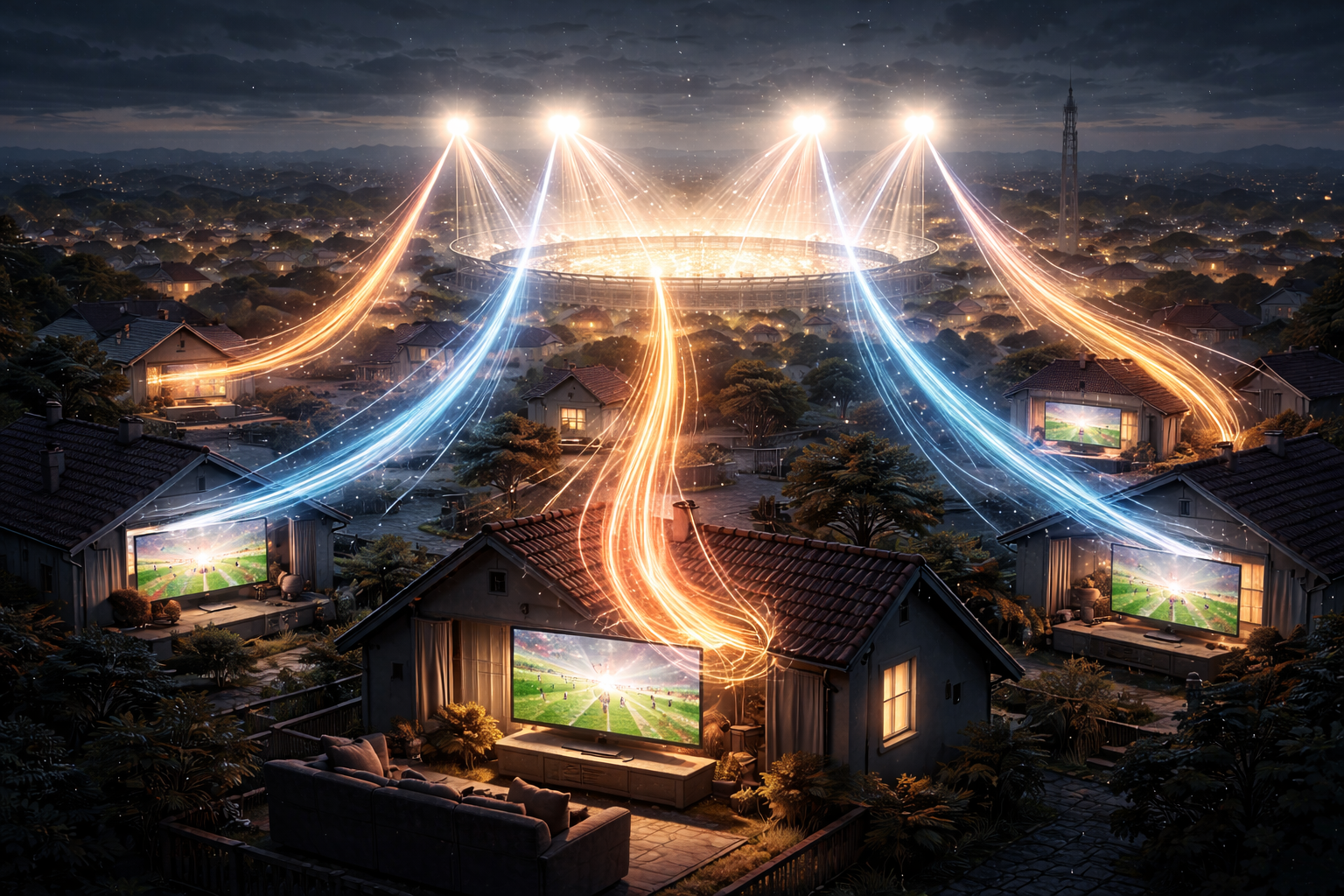
Football is not just watched. It is watched together. Even when people sit in different homes, they know others are watching at the same time.
This shared timing creates a sense of collective presence. Millions experience the same moments simultaneously. That simultaneity gives meaning beyond the match itself.
Replays remove that shared time. Watching later feels isolated. The conversation has already happened. The emotional peak has passed. The viewer becomes an observer of the past rather than a participant in the present.
Emotion Needs a Live Trigger
Emotion responds to immediacy. Celebration feels stronger when it is spontaneous. Disappointment feels sharper when it is unexpected.
Live football provides emotional triggers in real time. The body reacts before the mind can analyze. Heart rate changes. Voice volume rises. Physical responses appear.
Replays cannot recreate this fully. Knowing the outcome dulls the emotional response. The brain prepares itself. Surprise disappears. Emotion follows.
Why Replays Feel Flat
Replays offer clarity but remove tension. They explain what happened, but they do not recreate how it felt.
Most viewers already know the result before pressing play. That knowledge acts as emotional insulation. The match becomes informational rather than experiential.
Football is designed to be felt more than analyzed. Once feeling is removed, engagement drops sharply.
Live Matches Fit Human Routines
Live football aligns well with weekly routines. Matches occur at predictable times. Viewers learn when football happens. Planning becomes easier.
Habit strengthens attention. When watching becomes routine, effort decreases. The decision to watch feels automatic.
Replays disrupt this rhythm. They require deliberate choice. Without urgency or routine, many viewers simply move on.
Social Reaction Peaks in Real Time
Football generates discussion. Messages. Comments. Arguments. Jokes.
These reactions peak during the match. Once the match ends, social energy fades quickly.
Watching live allows immediate participation in this social layer. Watching later turns the viewer into a late arrival. Most people prefer to join conversations while they are active.
What This Says About Modern Media
Modern media competes fiercely for attention. Most content is consumed alone. Football succeeds because it offers something rare. Shared time.
The live match becomes an anchor. It temporarily resists fragmentation. It gathers attention instead of scattering it.
This explains why football continues to dominate live viewership charts even as on-demand content grows. Live moments still matter. Perhaps more than ever.
Reality Check
Football viewership peaks during live matches because live viewing combines urgency, uncertainty, emotion, routine, and shared experience. Replays remove these elements one by one. Without them, attention naturally declines.
Final Verdict
Football performs best when watched live because it aligns perfectly with how humans experience meaning. Live matches create urgency, preserve uncertainty, trigger emotion, and connect viewers through shared time. Once the moment passes, football becomes information instead of experience. And experience is what viewers truly seek.
Frequently Asked Questions
Why do people skip football replays?
Because the outcome is already known. Without uncertainty, emotional engagement drops and the experience feels less meaningful.
Is live football more engaging than other live content?
Yes. Football combines unpredictability, strong identity, and social reaction, which amplifies live engagement.
Do highlights replace live viewing?
Highlights summarize events but do not recreate emotional experience. They inform rather than involve.
Will live sports remain important in the future?
As long as people value shared moments and real-time emotion, live sports will remain highly relevant.