Why Less Digital Noise Matters in 2026
Estimated reading time: 11 minutes
Digital life in 2026 is quieter by design, not by accident. After years of constant alerts, pop-ups, and competing platforms, users are actively seeking technology that communicates less and delivers more.
Digital noise no longer signals importance or innovation. Instead, it often creates distraction, stress, and mistrust. As a result, reducing noise has become a defining principle of modern technology.
This article explores why less digital noise matters in 2026 and how this shift is changing the way people interact with technology.
Table of Contents
What digital noise really means
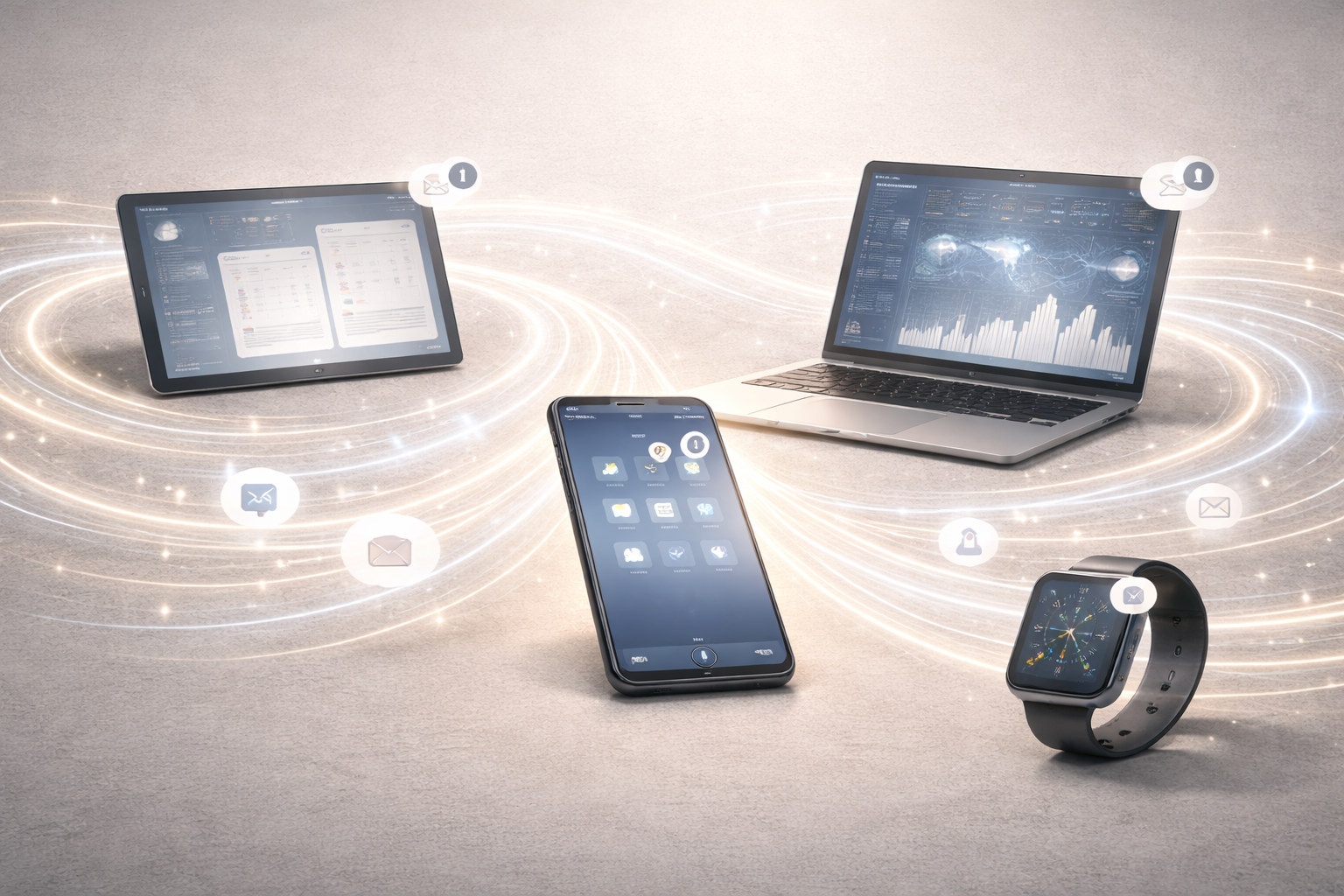
Digital noise includes unnecessary notifications, repetitive alerts, and constant prompts for interaction. It is technology speaking too often without saying something useful.
Over time, this noise turns helpful tools into sources of distraction.
How constant alerts affect attention
Frequent interruptions fragment attention. Even brief alerts disrupt focus and make it harder to return to meaningful tasks.
In 2026, awareness of this cognitive cost is shaping user expectations.
Why users are actively rejecting noise
Users are no longer passive recipients of digital noise. They mute notifications, uninstall apps, and choose calmer alternatives.
This behavior sends a clear message about what modern users value.
The link between noise and trust
Excessive alerts can erode trust. When technology constantly demands attention, users question its priorities.
Quiet systems feel more respectful and reliable.
Designing technology for focus
Designers are prioritizing intentional communication. Information appears only when it adds value.
This approach supports deeper focus and better user experiences.
Business benefits of quieter systems
Reduced digital noise lowers support issues and increases long-term satisfaction. Calm systems age better and require fewer interventions.
Businesses benefit from stronger trust and loyalty.
What reduced noise means for the future
The future of technology is quieter, not slower. Less noise allows systems to communicate more clearly when it truly matters.
In 2026, silence has become a feature, not a flaw.
Reality Check
Reducing digital noise does not remove functionality. It restores balance between technology and attention.
Final Verdict
In 2026, less digital noise matters because clarity, focus, and trust have become core technology values. Quiet systems are no longer optional. They are expected.