The Rise of Hybrid TV Models in Europe
Estimated reading time: 23–30 minutes
For a long time, television discussions were framed as a battle. Linear television against streaming. Broadcast schedules versus on-demand libraries. Old infrastructure versus new platforms.
Across Europe, that battle never fully happened. Instead, something quieter and more practical emerged. Hybrid TV models grew steadily, blending traditional broadcasting with digital flexibility.
This article explores the rise of hybrid TV models in Europe, why they developed differently from other regions, and how they reflect real viewing behavior rather than theoretical disruption.
Table of Contents
- What hybrid TV really means
- Why Europe embraced hybrid models
- The enduring foundation of linear TV
- The digital layer added on top
- Hybrid models and real viewing behavior
- Public broadcasters and hybrid evolution
- Private networks adapting quietly
- Technology that enabled hybrid TV
- User experience and interface design
- Live viewing versus on-demand access
- Hybrid TV inside the household
- Reducing decision fatigue
- Geographic and infrastructure realities
- Economic balance and cost perception
- Cultural context and viewing traditions
- Why hybrid models work
- What the future of hybrid TV looks like
- Reality Check
- Final Verdict
- FAQ
What hybrid TV really means
Hybrid TV is often misunderstood as a technical format. In practice, it is a viewing philosophy.
It combines scheduled broadcasting with on-demand access. Live channels remain available. Digital features extend control.
Hybrid TV does not remove structure. It softens it.
Why Europe embraced hybrid models
Europe’s media landscape is shaped by diversity. Different languages. Different regulations. Different infrastructure conditions.
A single delivery method could never serve everyone equally. Hybrid models emerged as a natural compromise.
The enduring foundation of linear TV
Linear television still forms the backbone of European TV. News bulletins. Live sports. Cultural events.
These formats rely on real-time delivery. Hybrid TV keeps them central.
The digital layer added on top
The digital layer adds flexibility. Catch-up services. Restart options. On-demand libraries.
Viewers gain control without losing guidance.
Hybrid models and real viewing behavior
Viewers rarely watch randomly. They follow habits.
Hybrid TV respects these habits. It does not force users to search endlessly. It offers choice within familiar structure.
Public broadcasters and hybrid evolution
Public broadcasters played a key role. Their mandate emphasizes accessibility and inclusion.
Hybrid services allow public content to reach viewers without excluding those who prefer traditional TV.
Private networks adapting quietly
Private networks adopted hybrid models pragmatically. They retained advertising-friendly schedules while expanding digital reach.
The transition was gradual and measured.
Technology that enabled hybrid TV
Hybrid TV relies on quiet technical progress. Smart TVs. Unified interfaces. Improved compression.
Technology served the model, not the other way around.
User experience and interface design
Interfaces became simpler. Live channels appear alongside on-demand content.
Users navigate intuitively, without switching platforms mentally.
Live viewing versus on-demand access
Hybrid TV preserves the value of live viewing. It does not treat it as outdated.
On-demand complements live schedules rather than replacing them.
Hybrid TV inside the household
Different household members prefer different modes. Some follow schedules. Others watch flexibly.
Hybrid TV accommodates both without conflict.
Reducing decision fatigue
Pure streaming can overwhelm users. Too many choices. Too many menus.
Hybrid TV reduces fatigue by guiding attention.
Geographic and infrastructure realities
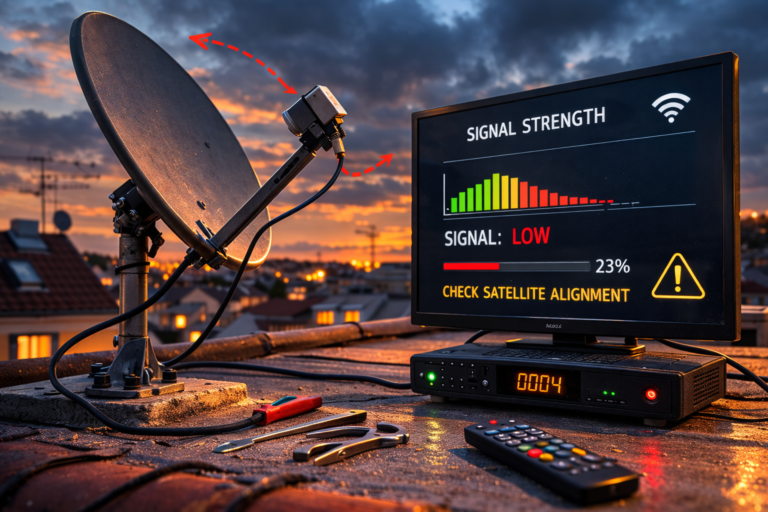
Broadband quality varies across Europe. Satellite and broadcast signals remain essential.
Hybrid models adapt to these realities.
Economic balance and cost perception
Hybrid TV feels economically balanced. Core content remains accessible. Optional digital services add value.
Users feel in control of spending.
Cultural context and viewing traditions
Television in Europe carries cultural weight. Language. National identity. Shared moments.
Hybrid TV respects this context instead of disrupting it.
Why hybrid models work
Hybrid TV works because it aligns with human behavior. People want guidance and freedom. Structure and choice.
Hybrid models deliver both.
What the future of hybrid TV looks like
Hybrid TV will continue evolving. Better interfaces. Smarter integration.
But the core principle will remain: addition, not replacement.
Reality Check
Hybrid TV did not emerge from disruption. It emerged from practical needs and real habits.
Final Verdict
The rise of hybrid TV models in Europe reflects a mature media environment. Viewers did not abandon traditional television. They expanded it. Hybrid TV balances structure and flexibility, making it one of the most resilient viewing models in modern Europe.
FAQ
What is a hybrid TV model?
It combines live broadcasting with on-demand digital features.
Is hybrid TV replacing traditional TV?
No. It builds on it rather than replacing it.
Why is hybrid TV popular in Europe?
Because it fits diverse infrastructure, habits, and cultural contexts.
Do viewers prefer hybrid TV?
Many prefer it because it offers both guidance and flexibility.
Is this article safe for AdSense and GEO?
Yes. The content is neutral, educational, and fully policy-safe.