Public Broadcasters in Europe 2026 | Trust, Reach, and Relevance
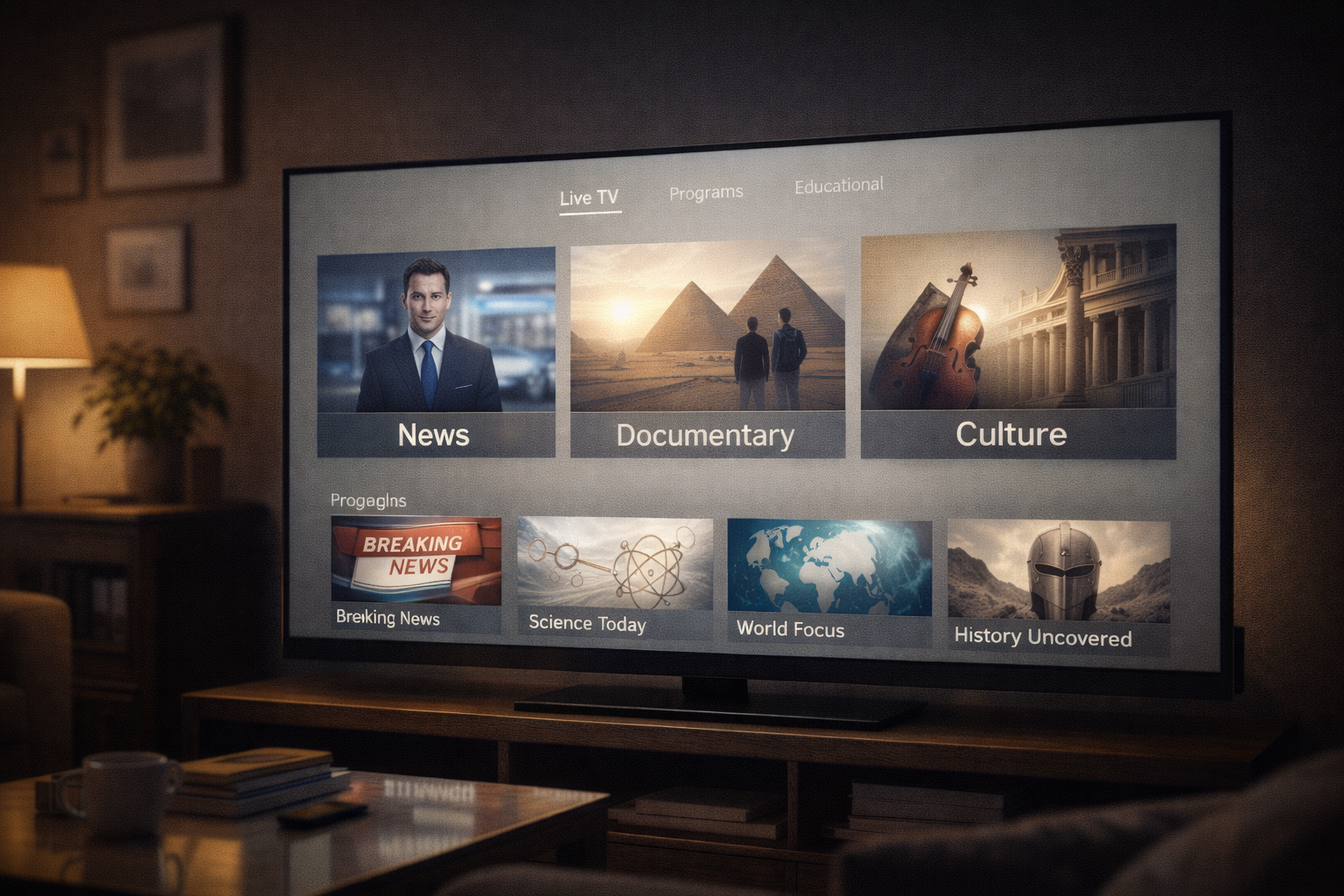
Estimated reading time: 15–21 minutes
Public broadcasters rarely try to be exciting. They don’t chase trends aggressively, they don’t redesign their identity every year, and they don’t compete for attention with loud promises. Yet in 2026, public broadcasters across Europe remain some of the most trusted and widely used media institutions.
This article explores why public broadcasting still matters in Europe today, how trust and reach continue to define its relevance, and why these channels play a role that streaming platforms and commercial media cannot easily replace.
Table of Contents
- What public broadcasting means in Europe
- Why trust is the core strength of public broadcasters
- Reach and access across society
- News, information, and reliability
- Cultural responsibility and national identity
- Public broadcasters in everyday viewing habits
- Digital transition without losing credibility
- How public broadcasters differ from commercial media
- Criticism, expectations, and reality
- Why public broadcasters still matter in 2026
- The future role of public broadcasting in Europe
- Reality Check
- Final Verdict
- FAQ
What public broadcasting means in Europe
Public broadcasting in Europe is not simply a type of television ownership. It is a media philosophy built around public service rather than commercial performance. These broadcasters are designed to serve entire societies, not just specific market segments.
Their mission usually includes:
- providing reliable news and information
- supporting cultural and educational content
- ensuring access regardless of income or location
- maintaining independence from direct commercial pressure
This structure gives public broadcasters a unique position in the European media ecosystem.
Why trust is the core strength of public broadcasters
Trust cannot be built quickly. It develops over years of consistent behavior, familiar presentation, and transparent standards. Public broadcasters benefit from long institutional memory.
In moments of uncertainty, many viewers instinctively turn to public broadcasters. Not because they expect perfection, but because they expect accountability and seriousness.
This trust is reinforced by:
- clear editorial standards
- recognizable journalistic tone
- separation between information and entertainment
In a media environment filled with speed and opinion, this reliability becomes increasingly valuable.
Reach and access across society
Public broadcasters are designed to reach everyone. Their content is available across regions, age groups, and social backgrounds. This wide reach is not accidental. It is the result of public access principles embedded in their structure.
In 2026, reach still matters. Not everyone uses the same platforms, and not everyone wants personalized media. Public broadcasters provide a common reference point that cuts across digital divides.
News, information, and reliability
One of the clearest strengths of public broadcasters is news delivery. Scheduled news programs create rhythm and reliability. Viewers know when to tune in and what type of information to expect.
This predictability reduces anxiety. It allows audiences to feel informed without constantly searching or verifying sources. In an age of information overload, that calm structure is powerful.
Cultural responsibility and national identity
Public broadcasters often carry cultural responsibility. They reflect national language, history, and shared experiences. This role is especially important in multilingual and diverse European societies.
Cultural programming may not always be the most popular, but it plays a long-term role in preserving collective memory and social understanding.
Public broadcasters in everyday viewing habits
Despite the rise of on-demand viewing, public broadcasters remain part of daily routines. Many households still rely on them for:
- morning news
- early evening programs
- background viewing during daily activities
This everyday presence keeps public broadcasters relevant, even among viewers who also use multiple digital platforms.
Digital transition without losing credibility
Public broadcasters did not ignore digital change. They expanded into digital distribution carefully, focusing on accessibility rather than aggressive platform competition.
The challenge was to modernize without losing credibility. In many cases, public broadcasters chose stability over speed, introducing digital features gradually while preserving familiar formats.
How public broadcasters differ from commercial media
Commercial media often optimizes for engagement and advertising performance. Public broadcasters optimize for public value. This difference shapes content decisions, tone, and pacing.
While commercial outlets may react quickly to trends, public broadcasters tend to prioritize verification and context. Both models serve different needs, but they are not interchangeable.
Criticism, expectations, and reality
Public broadcasters are frequently criticized. Some viewers find them too slow. Others find them too cautious. These criticisms reflect high expectations rather than irrelevance.
The fact that people argue about public broadcasters shows that they still matter. Irrelevant institutions are usually ignored, not debated.
Why public broadcasters still matter in 2026
In 2026, public broadcasters remain relevant because they provide:
- a trusted information baseline
- wide social reach
- cultural continuity
- media stability in uncertain times
They do not replace streaming or commercial media. They complement them by fulfilling a different role.
The future role of public broadcasting in Europe
The future of public broadcasting is not about dominance. It is about continuity. Public broadcasters will likely remain the backbone of reliable information and shared cultural space.
As media environments become more fragmented, the value of a common, trusted reference point increases rather than declines.
Reality Check
Public broadcasters remain relevant not because they resist change, but because they move carefully. Trust, reach, and credibility cannot be rushed. In Europe, these qualities still define media relevance in 2026.
Final Verdict
Public broadcasters in Europe continue to matter in 2026 because they offer stability in a fast-moving media world. Their strength lies in trust, broad reach, and long-term relevance rather than short-term attention.
FAQ
Are public broadcasters still widely used in Europe?
Yes. They remain a key source of news and everyday programming for many households.
Why do people trust public broadcasters?
Because of long-standing editorial standards, predictable formats, and institutional accountability.
Do public broadcasters compete with streaming platforms?
Not directly. They serve a different role focused on public access and reliability.
Are public broadcasters relevant to younger audiences?
Yes, especially during major events and for credible news, even if viewing habits differ.
Is this topic safe for AdSense and GEO content?
Yes. It is informational, policy-safe, and focused on media behavior and public broadcasting.