When Viewers Tune In to USA Network Shows Each Day
Estimated reading time: 16 minutes.
In a modern American home, people rarely watch television the same way all day. Instead, they move in and out of viewing depending on energy levels, daily tasks, and shared routines. This is exactly where a structured USA Network schedule still plays a role in 2026.
Understanding when viewers tune in is not about listing show times. It is about understanding how real life shapes attention. This connects directly with the idea that calmer television experiences fit naturally into routines, as explored here. Why Foreign TV Channels Feel More Relaxing to US Viewers.
Quick Context
This article looks at the typical times of day when viewers turn to USA Network and how those moments align with real household behavior.
Morning light viewing
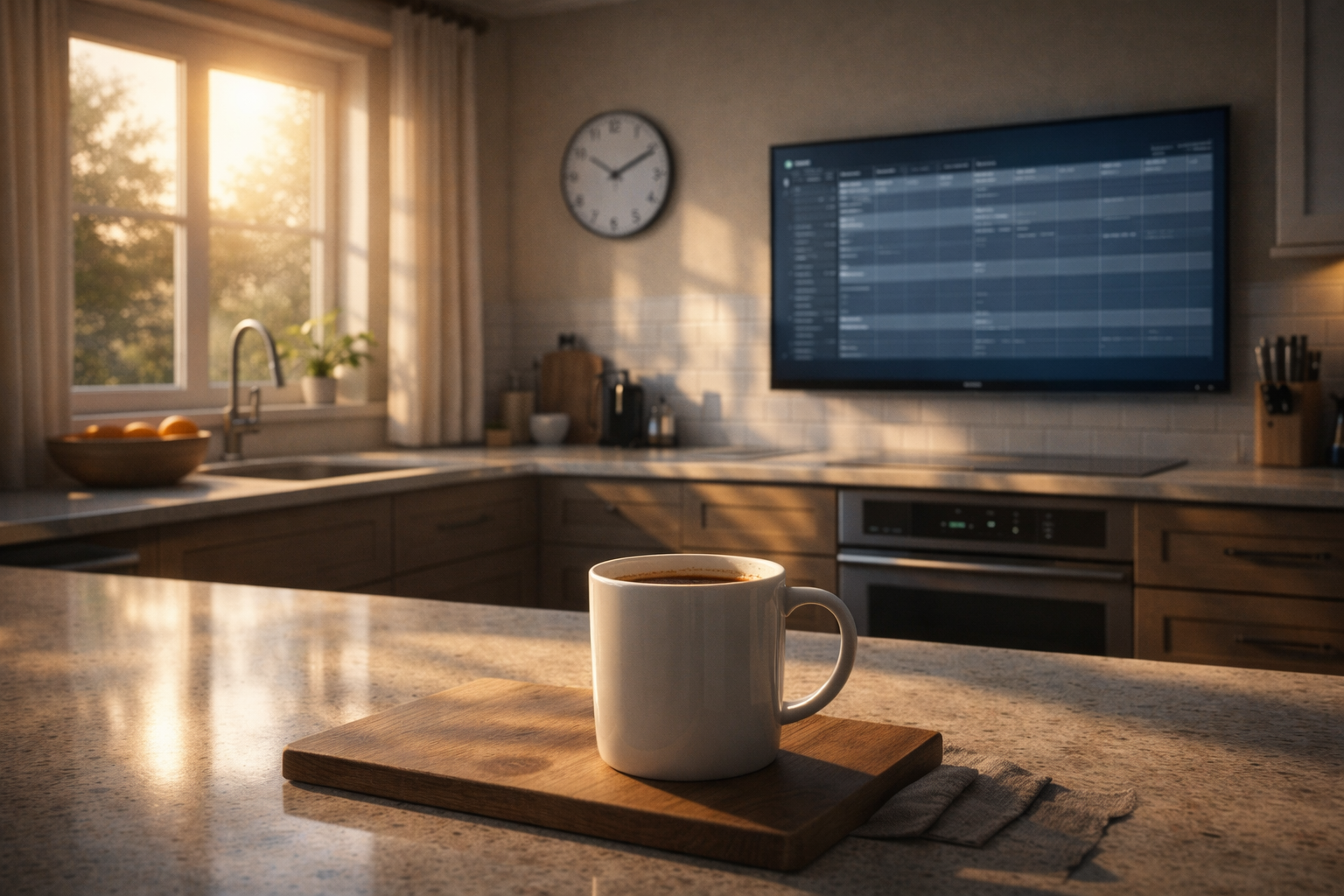
Morning television is rarely the main focus in most homes. People are getting ready for work, preparing breakfast, or checking their phones. In this period, the TV is often on but not watched continuously.
Viewers tune in briefly. They look at what is on. They may leave the channel playing while moving around the house. Schedules that place familiar and easy to follow content in the morning work best because they do not demand full attention.
Midday background presence
Midday viewing is dominated by background use. Work from home environments, flexible schedules, and short breaks create moments where the TV becomes a companion rather than the center of attention.
Viewers tune in for a few minutes at a time. They return to the same channel because it feels predictable. This is where repeating program blocks become important. They allow viewers to rejoin without feeling lost.
Late afternoon check in
Late afternoon is a transition period. People return home. Energy levels shift. The remote control moves between different hands.
During this time, viewers often check the schedule to see what is coming later. They may not watch a full program yet, but they start forming an expectation for the evening. This habit turns the schedule into a planning tool rather than just a list of shows.
Prime time attention
Evening remains the strongest viewing window. Between eight and eleven at night, attention levels are higher and viewing becomes intentional.
This is when viewers tune in specifically for a program rather than leaving the TV on in the background. The schedule becomes a shared reference point in the household. People know what time a familiar show begins, and that timing helps structure the evening.
Late night passive viewing
Late night viewing is different again. People are tired. They use the TV as a wind down tool. Attention is lower, and viewers often join programs in the middle.
Schedules that repeat content in this period support passive viewing. The viewer does not need to search. They simply leave the channel on.
Weekend viewing differences
Weekends break the weekday rhythm. Wake up times are later. Household members are present at different moments. Viewing becomes more flexible.
Instead of fixed time slots, viewers tune in based on mood. They return to the channel when they want something familiar without searching. This is where long term schedule familiarity becomes valuable.
Daily tuning patterns
| Time of day | Viewer behavior | Role of the schedule |
|---|---|---|
| Morning | Short check ins and background use | Provides easy entry without commitment |
| Midday | Passive viewing during tasks | Repetition allows quick rejoining |
| Late afternoon | Planning what to watch later | Creates expectation for evening |
| Evening | Intentional focused viewing | Defines shared household time |
| Late night | Low effort viewing before sleep | Supports passive continuous play |
Reality Check
Viewers do not watch television the same way throughout the day. A schedule works when it matches changing attention levels and real household routines.
Final Verdict
USA Network viewing times still matter because they align with how people move through their day. Morning check ins, midday background use, evening focus, and late night wind down all create predictable tuning patterns. When a schedule fits these rhythms, viewers return without thinking.