Why Astra 19.2°E Is Central to Modern Broadcast Networks
Estimated reading time: 16 minutes.
Modern broadcast networks combine traditional television with digital distribution layers. Despite this complexity, their core remains simple. Content must reach large audiences reliably. Astra 19.2°E continues to serve as a central distribution point that supports this requirement. This article explains why it remains critical to modern broadcast architecture in Europe.
Quick Context
This article focuses on network structure rather than consumer devices.
What Defines a Modern Broadcast Network
A modern network is hybrid. It combines linear broadcasting, regional distribution, and digital services.
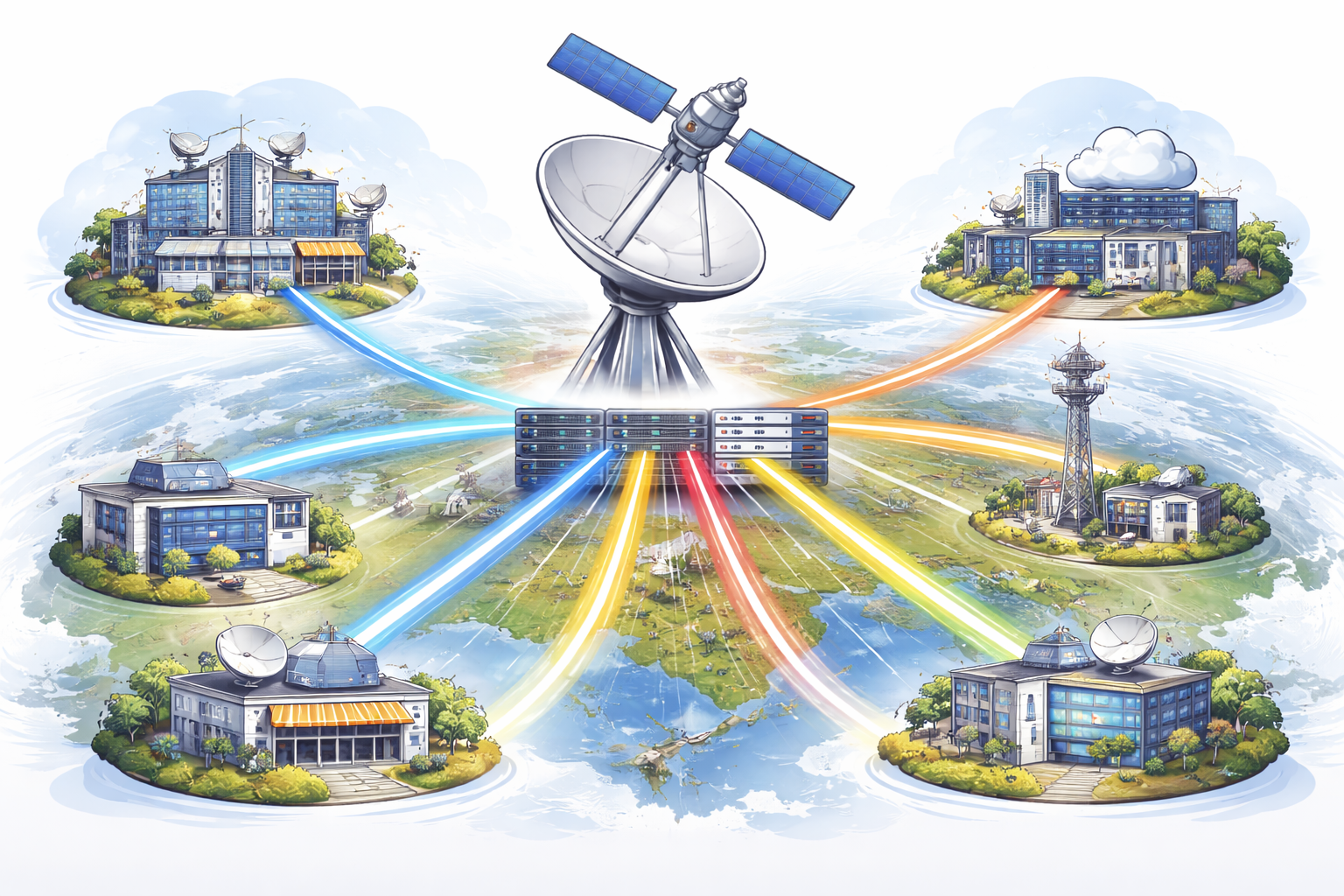
The Role of Central Distribution Hubs
Central hubs reduce fragmentation and simplify coordination.
Strong networks depend on strong distribution centers.
Reliability at Network Level
Network stability protects service continuity.
Integration With Digital Layers
Satellite remains the stable layer under digital services.
Scalability Across Europe
Wide coverage allows unified network expansion.
Economic Sustainability
Shared infrastructure reduces long term cost.
Reality Check
Modern broadcast networks still require stable, centralized distribution. Astra 19.2°E continues to fulfill this role effectively.
Final Verdict
Final Verdict
Astra 19.2°E remains central to Europe’s broadcast networks because it balances reliability, scale, and economic efficiency.
Frequently Asked Questions
| Question | Answer |
|---|---|
| Is Astra 19.2°E still relevant in modern broadcasting? | Yes. It remains a core distribution layer beneath digital services. |
| Why use satellite in hybrid networks? | Because it provides predictable large scale delivery. |
| Can networks operate without satellite? | Not efficiently at continental scale. |
| What is the main benefit of Astra 19.2°E? | Stable, scalable, and cost effective distribution. |