Family Viewing Patterns in European Households
Estimated reading time: 11 minutes
In many parts of Europe, television is still something families experience together. While personal screens and on-demand viewing have grown, the living room TV remains a shared space where daily routines intersect.
Family viewing patterns are shaped by schedules, age differences, and cultural habits. Understanding how families watch TV together helps explain why certain programs and time slots continue to matter.
This article explores how family television viewing works inside European households and why shared viewing remains an important part of everyday life.
Table of Contents
Why the living room still matters
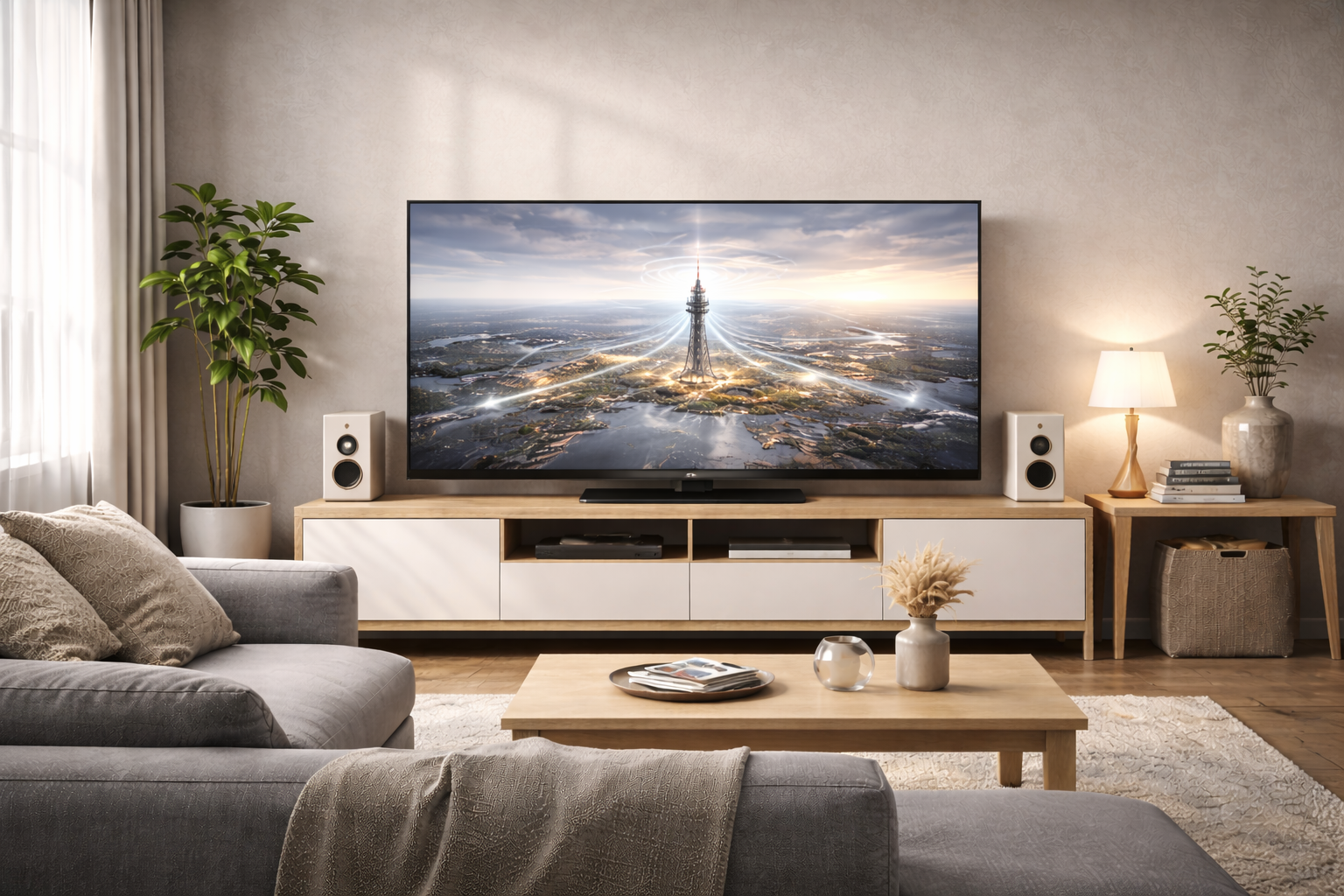
The living room remains the central viewing space in many European households. It is where families gather after work, school, and daily responsibilities.
This shared environment encourages collective viewing rather than isolated consumption. Television becomes part of the household rhythm.
Daily routines and shared schedules
Family viewing often aligns with predictable schedules. Evening hours are especially important, as family members return home.
News, entertainment, and popular series fit naturally into these shared moments.
Balancing different ages and preferences
Families include multiple generations with different tastes. Shared viewing requires compromise.
European TV programming often reflects this balance, offering content that appeals across age groups.
Weekend viewing and family traditions
Weekends create space for longer viewing sessions. Sports, films, and special programs often become family rituals.
These traditions reinforce television’s role as a shared cultural activity.
Television as a social anchor at home
Television provides common reference points for conversation and connection within households.
Shared viewing encourages discussion and strengthens family bonds.
How broadcasters design for family viewing
Broadcasters schedule family-friendly content during peak household hours.
This approach supports shared viewing without excluding individual preferences.
The future of shared TV experiences
Shared viewing may evolve, but it will not disappear. Families continue to value moments spent together.
Television remains one of the few media experiences that naturally supports this connection.
Reality Check
Individual viewing is growing, but shared family television remains deeply rooted in European households.
Final Verdict
Family viewing patterns continue to shape European television. By supporting shared routines and collective experiences, TV remains a central part of household life across generations.