Why Pan-European Channels Are Growing in 2026
Estimated reading time: 15–22 minutes
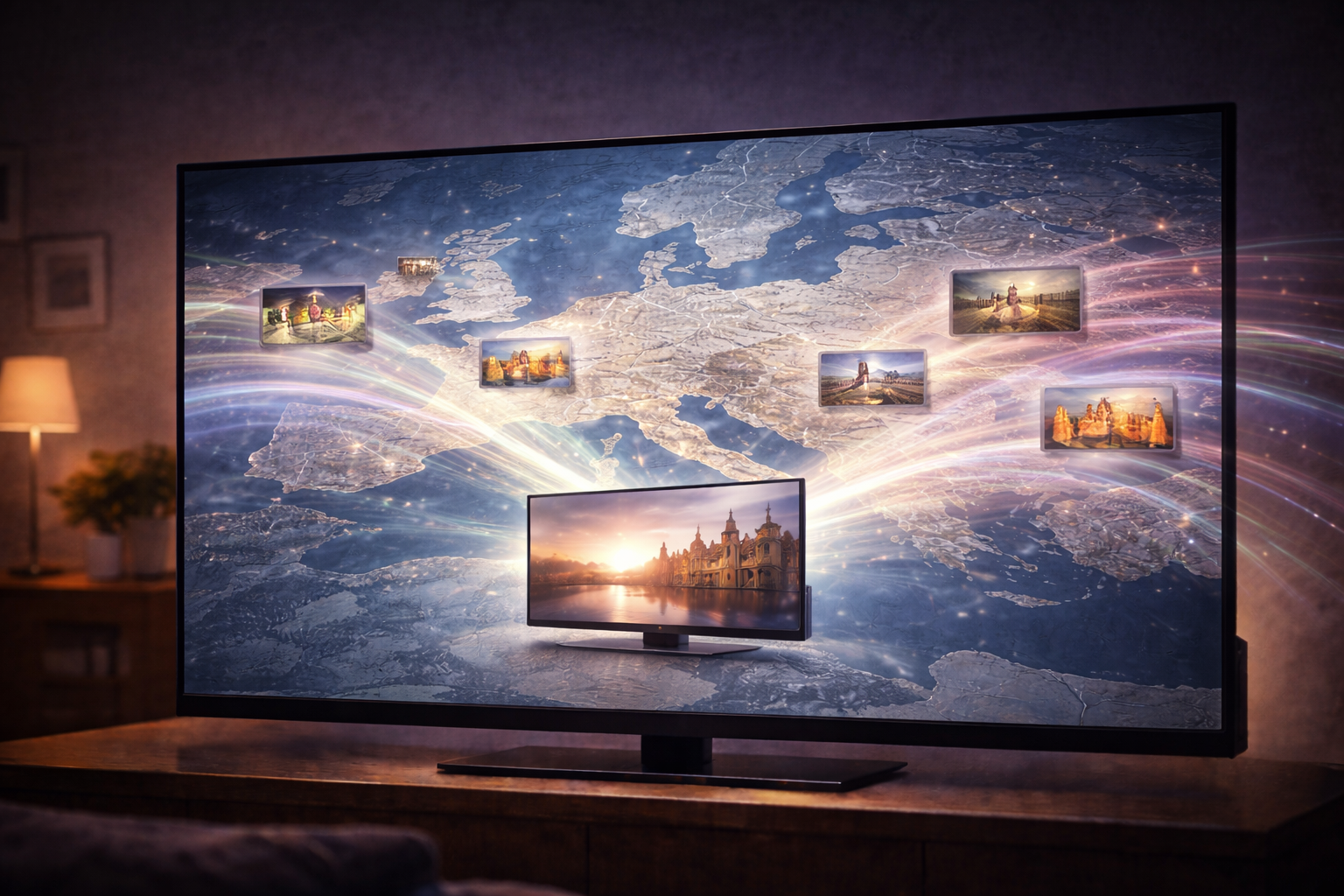
In 2026, European television is no longer defined strictly by national borders. Alongside national and local channels, pan-European TV channels are becoming more visible and more influential. These channels are not new, but their growth has accelerated in recent years.
Pan-European channels operate across multiple countries at once. They serve audiences who share interests, languages, or cultural reference points that extend beyond a single nation. This article explains why these channels are growing in 2026, what conditions support their expansion, and why their role fits naturally into Europe’s media landscape.
Table of Contents
- What pan-European TV really means
- The rise of shared European audiences
- Economic efficiency across multiple markets
- Content that travels well across borders
- Language as a bridge rather than a barrier
- Satellite and infrastructure advantages
- Advertising appeal across regions
- Changing viewer mindset in 2026
- Why pan-European channels do not replace national TV
- Pan-European channels in a hybrid media ecosystem
- Regulatory balance and shared frameworks
- What future growth looks like
- Reality Check
- Final Verdict
- FAQ
What pan-European TV really means
Pan-European television channels are designed to serve more than one country at the same time. They are not simply national channels broadcast farther. They are structured from the beginning to operate across borders.
This often means shared programming, unified branding, and distribution strategies that consider multiple markets as one connected region.
The rise of shared European audiences
European audiences increasingly share interests that are not limited by nationality. News, culture, sports, lifestyle, and thematic programming often resonate across borders.
Viewers who travel, work internationally, or consume media digitally are comfortable watching channels that feel European rather than strictly national.
Economic efficiency across multiple markets
Operating one channel across several countries can be more efficient than running separate national versions. Production costs are shared. Distribution infrastructure is reused. Brand recognition grows faster.
This efficiency makes pan-European channels attractive for broadcasters looking for sustainable growth.
Content that travels well across borders
Not all content works internationally. Pan-European channels focus on formats that travel well:
- documentaries
- sports coverage
- news analysis
- thematic and factual programming
These formats rely less on local humor or cultural specificity and more on shared interests and values.
Language as a bridge rather than a barrier
Language remains important, but pan-European channels treat it strategically. Some use widely understood languages. Others rely on subtitles, multiple audio tracks, or neutral presentation styles.
Rather than eliminating language differences, they manage them carefully to avoid fragmentation.
Satellite and infrastructure advantages
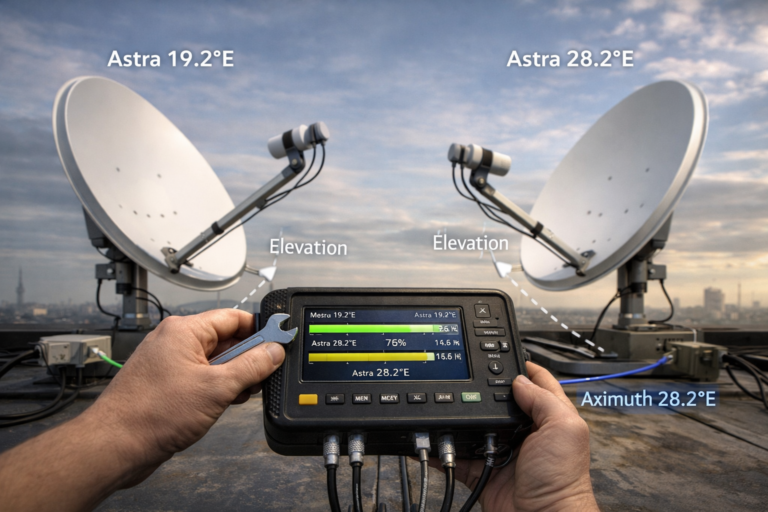
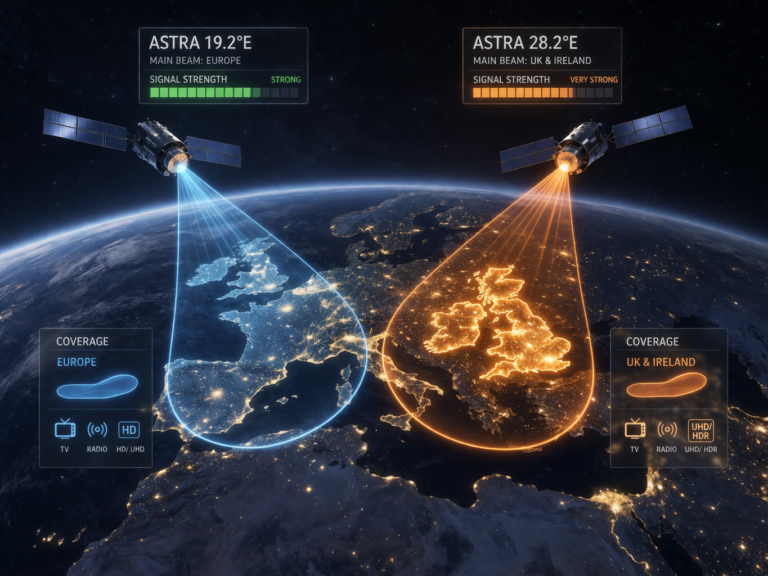
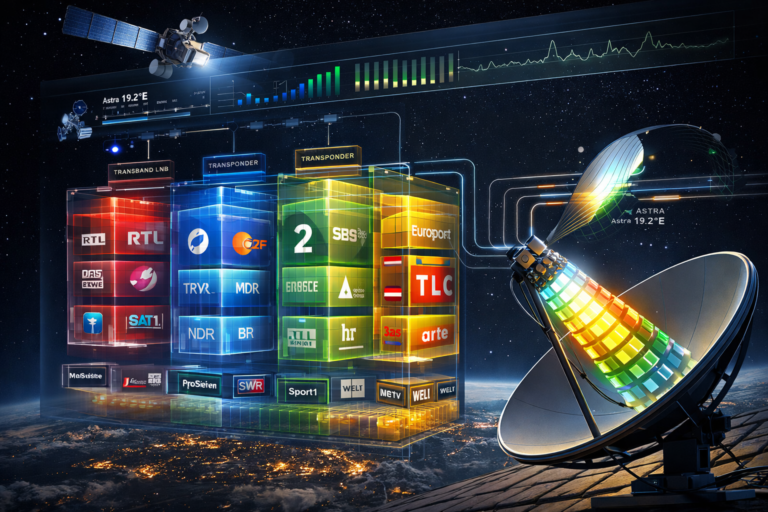
Satellite distribution supports wide geographic coverage with relatively low marginal cost. Once a signal is transmitted, it reaches many countries simultaneously.
This technical advantage is one of the main reasons pan-European channels continue to grow. It aligns naturally with Europe’s geography.
Advertising appeal across regions
Pan-European channels offer advertisers access to multiple markets at once. This appeals to brands with regional or continental strategies.
While advertising rules differ by country, cross-border channels can still deliver scale and consistency.
Changing viewer mindset in 2026
In 2026, viewers are more comfortable with mixed media identities. They watch local TV for community relevance, national TV for identity, and pan-European TV for broader perspective.
This layered viewing behavior supports the growth of pan-European channels.
Why pan-European channels do not replace national TV
Pan-European channels do not aim to replace national broadcasters. They serve a different purpose.
National TV remains central for language, culture, and daily life. Pan-European channels add context and variety without competing directly.
Pan-European channels in a hybrid media ecosystem
Modern media ecosystems are hybrid. Satellite, cable, IPTV, and digital platforms coexist.
Pan-European channels benefit from this environment. They use satellite for reach, platforms for household access, and digital tools for flexibility.
Regulatory balance and shared frameworks
European regulation supports cross-border broadcasting through shared frameworks, while still respecting national rules.
This balance allows pan-European channels to operate legally without excessive fragmentation.
What future growth looks like
Growth does not necessarily mean more channels. It often means stronger positioning, clearer identity, and deeper reach into existing markets.
Pan-European channels that understand their audience are likely to continue expanding steadily.
Reality Check
Pan-European channels grow not because borders disappeared, but because audiences increasingly share interests beyond borders. Europe’s diversity creates opportunity, not limitation.
Final Verdict
Pan-European TV channels are growing in 2026 because they fit naturally into Europe’s interconnected media environment. By combining shared content, efficient infrastructure, and cross-border appeal, they complement national television and strengthen Europe’s broader media landscape.
FAQ
What defines a pan-European TV channel?
A channel designed to serve multiple European countries simultaneously with shared content and distribution.
Are pan-European channels replacing national TV?
No. They complement national channels by serving broader audiences.
Why are these channels growing now?
Because shared interests, efficient infrastructure, and cross-border viewing habits support them.
Is satellite important for pan-European TV?
Yes. Satellite remains a key foundation for wide-area distribution.
Is this article safe for AdSense and GEO?
Yes. The content is neutral, educational, and fully policy-safe.