How Satellite Signals Travel: From Space to Your TV Explained Simply
Satellite TV may seem simple on the surface — you install a dish, connect a receiver, and channels appear on your screen. But behind this seemingly effortless process is a precise journey that starts thousands of kilometers above Earth. In 2026, understanding how satellite signals actually travel has become more important than ever, especially with new frequency changes, stronger regulations, and modern broadcasting technologies. This guide breaks down the entire signal path in a clear, easy-to-understand way.
What Satellite TV Really Is
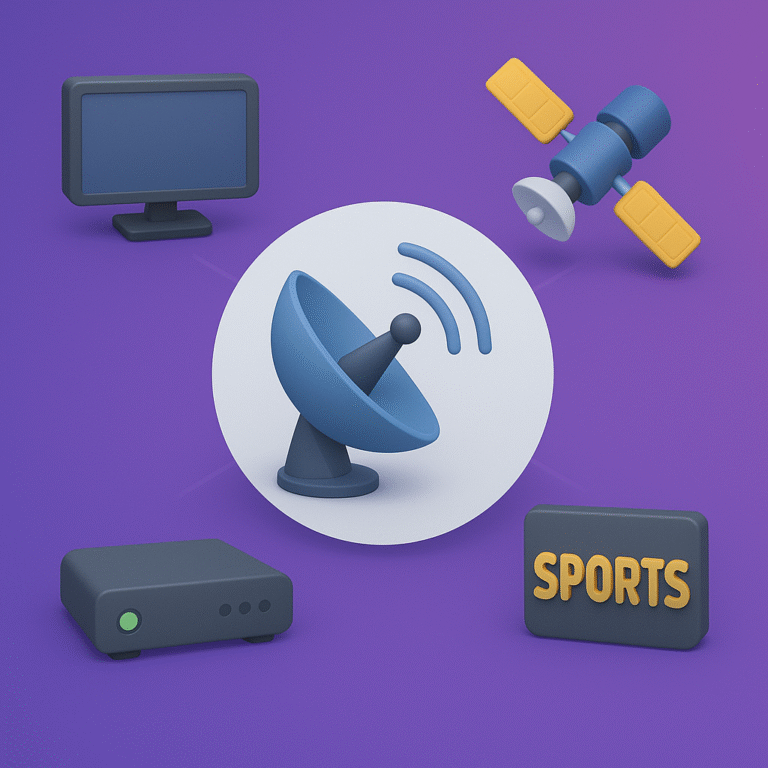
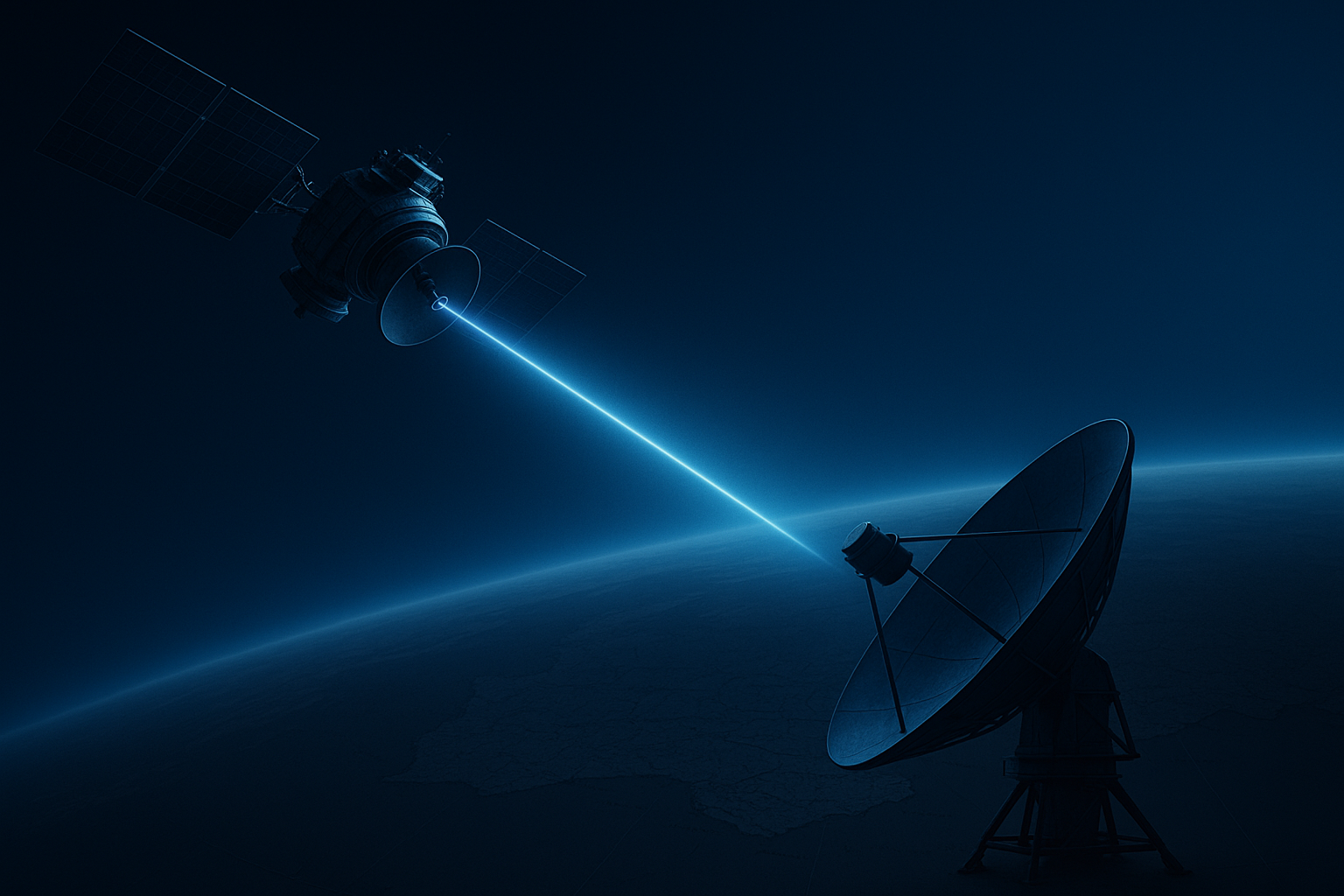
Satellite TV is a broadcasting system that delivers television content from satellites in geostationary orbit directly to your home. A broadcast station on Earth transmits an uplink signal to the satellite. The satellite then sends a downlink signal toward a specific coverage area, where millions of satellite dishes can receive it. Viewers only need a dish, an LNB, and a receiver to decode and watch the content.
Understanding the Signal Path
Every TV channel you watch follows a long and precise journey:
- A broadcast center sends the channel to a satellite via an uplink signal.
- The satellite receives, amplifies, and re-transmits the signal back to Earth.
- Your satellite dish captures the signal and sends it to the LNB.
- The LNB converts the frequency into a lower band usable by your receiver.
- Your receiver decodes the signal and outputs audio and video to your TV.
From Satellite to Your Dish
The satellite sits in geostationary orbit, around 36,000 km above Earth, using onboard transponders to transmit frequencies back down. Each transponder carries multiple channels. The downlink signal is targeted at a specific footprint area. If your dish is properly aligned with the satellite’s orbital position, it captures the radio waves perfectly.
From Dish to Receiver
Your dish reflects the signal toward the LNB, which performs two essential tasks:
- Amplifies the weak satellite signal
- Converts the high-frequency microwave signal into an intermediate frequency
The receiver then interprets the intermediate frequency, demodulates it, decodes it, and finally displays the channel. If encryption is used, the receiver must support the correct decoding system.
Why Understanding This Matters in 2026
In 2026, satellite broadcasting continues to evolve. Several platforms are reorganizing frequencies, including major sports and entertainment packages. For example, updated satellite sports packages such as SKY 2030 Sports & Bundesliga may require rescanning or dish adjustments. Understanding how the signal travels helps you diagnose problems faster and avoid unnecessary equipment replacements.
It also helps you evaluate alternatives like affordable streaming services, especially when you compare satellite vs. online broadcast options such as Cheapest Live TV Services 2026.
Factors That Affect Signal Quality
Several practical elements can disrupt or weaken satellite signals:
- Misaligned dish
- Old or damaged LNB
- Incorrect frequency or symbol rate settings
- Low-quality coaxial cable or loose connectors
- Severe weather conditions
Useful Internal Resources
Explore additional guides related to satellite and streaming technologies:
Cheapest Live TV Services in 2026
SKY 2030: Full Sports and Bundesliga Update
Reality Check
Satellite TV delivers impressive global coverage, but it is not immune to technical realities. Precise dish alignment, updated frequencies, good cabling, and a reliable LNB are essential. Without them, even the strongest satellite signal cannot reach your receiver properly.
Final Thoughts
Understanding how satellite signals travel from space to your TV helps you maintain your system, avoid common issues, and stay prepared for future frequency changes. With the right knowledge, you can ensure a stable and high-quality satellite viewing experience throughout 2026 and beyond.
FAQ
Why do satellite channels sometimes disappear?
Because transponders or frequencies may change, requiring a new scan on your receiver.
Does weather affect satellite signals?
Heavy rain and storms can reduce signal strength, especially on Ku-band satellites.
Can any receiver decode all satellite signals?
No. Modern broadcasts may require updated receivers that support newer modulation types and higher symbol rates.
About cccam2
cccam2 provides practical and reliable guides for satellite enthusiasts, helping users understand frequencies, improve signal quality, and explore legal streaming alternatives.