Why Foreign TV Channels Feel More Relaxing to US Viewers
Estimated reading time: 15 minutes.
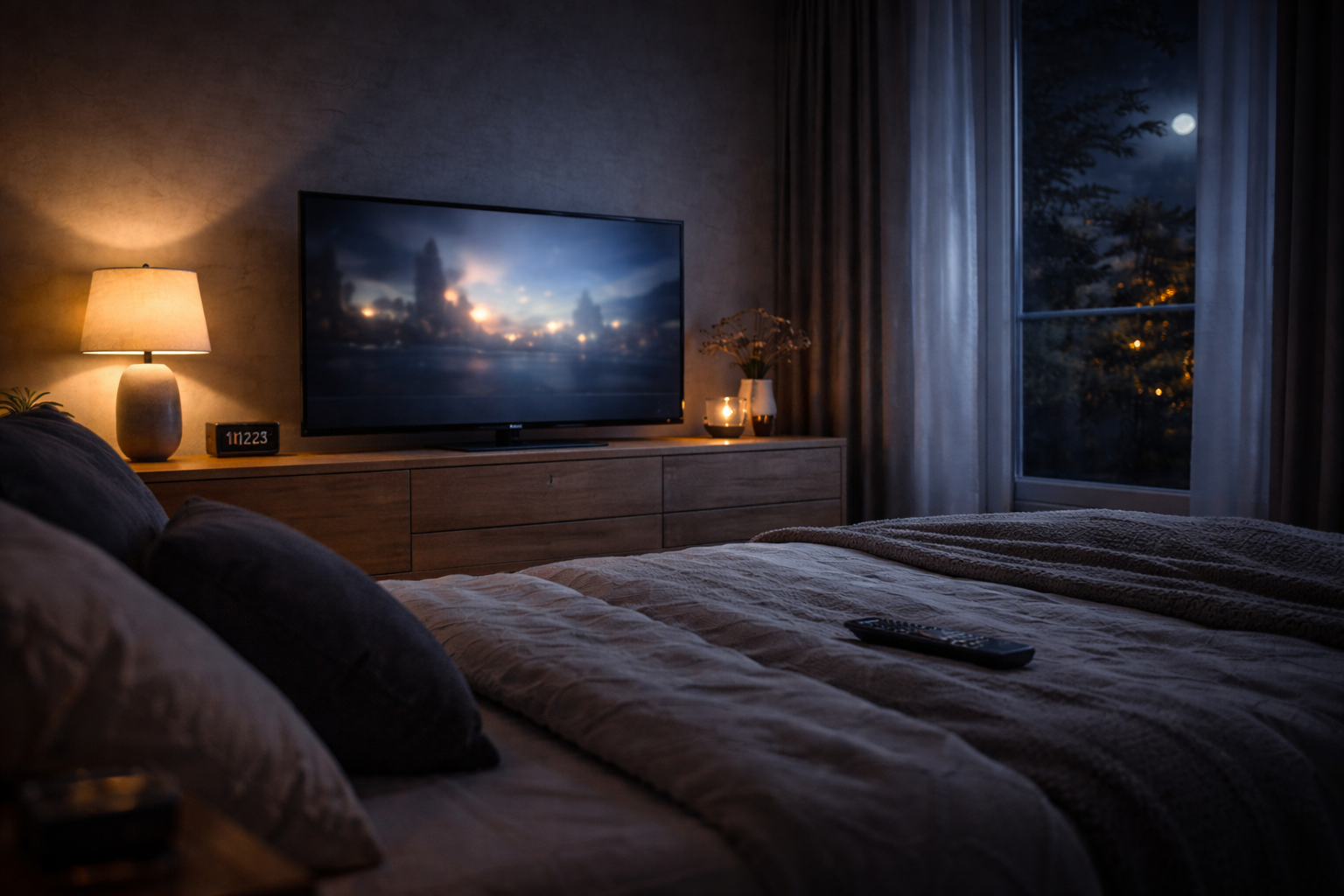
Many viewers in the United States notice something interesting when they switch to foreign television. The experience often feels calmer. Less demanding. Easier to stay with.
This feeling is not about accents or subtitles. It is about how content is presented. If you have already read How German TV Channels Fit into Viewing Habits in the USA, you may recognize this pattern. Foreign television often fits into daily routines because it feels mentally lighter.
Quick Context
This article explains why foreign TV channels feel more relaxing to many US viewers. The focus is on psychology and viewing behavior rather than specific countries or platforms.
Slower pace and reduced pressure
A major difference many viewers feel immediately is pace. Mainstream American media often moves quickly. Segments are short. Music is loud. Visuals change constantly.
Foreign television usually allows scenes to breathe. Programs take their time. Topics are introduced slowly and explained clearly.
This slower pace lowers mental pressure. Viewers do not feel rushed to react. They can simply watch or listen without effort.
Why rhythm matters more than visuals
Relaxation is not only visual. It is rhythmic.
Foreign TV often follows predictable patterns. The way presenters speak. The timing between segments. The absence of constant interruptions.
This rhythm creates comfort. The brain recognizes the pattern and relaxes into it. That is why some viewers feel calmer even if they barely understand the language.
Calmer delivery and tone
Presenter style plays a big role. Many foreign broadcasters focus on informing rather than performing.
Voices are steadier. Emotions are controlled. There is less emphasis on shock or drama.
This calm delivery makes it easier to keep the TV on in the background. It supports the room instead of dominating it.
Focus on explanation instead of tension
Foreign television often values context. Stories are built carefully. Explanations matter more than cliffhangers.
This approach reduces tension. Viewers know what kind of program they are watching and what to expect. That predictability feels safe.
Instead of pulling attention forward aggressively, the content invites the viewer to stay.
Life without algorithm pressure
Many modern platforms constantly push new content. Recommendations change by the second. Attention is monitored and optimized.
Foreign television usually does not behave this way. Programs follow schedules. Content is not personalized in real time.
For many viewers, this absence of pressure feels freeing. They are not being guided or nudged. They are simply watching.
Relaxation becomes a habit
Once viewers associate foreign television with calm moments, the habit strengthens.
The TV goes on during cooking. During late evenings. During quiet weekends.
Over time, the mind connects these channels with rest. That connection is powerful and long lasting.
Reality Check
Foreign TV channels feel more relaxing because they reduce mental effort. Their pacing, rhythm, and delivery support calm viewing instead of demanding attention.
Final Verdict
Final Verdict
In a fast media environment, foreign television offers something different. It offers calm. That calm comes from structure, predictable rhythm, and low emotional pressure. This is why many US viewers continue to find foreign TV relaxing in 2026.
Frequently Asked Questions
| Question | Answer |
|---|---|
| Is foreign TV relaxing even without understanding the language | Yes. Many viewers respond more to tone and rhythm than to full comprehension. |
| Does calmer presentation mean less information | No. Information is often delivered more clearly because it is not rushed. |
| Is this true for all foreign channels | Styles vary, but many focus on explanation and structure rather than constant stimulation. |
| Why do viewers return to these channels | Because the viewing experience becomes associated with calm and routine. |
| Will this preference continue | As long as mainstream media remains intense, calmer alternatives will remain attractive. |