Hotbird new frequencies 2026 full European updated list
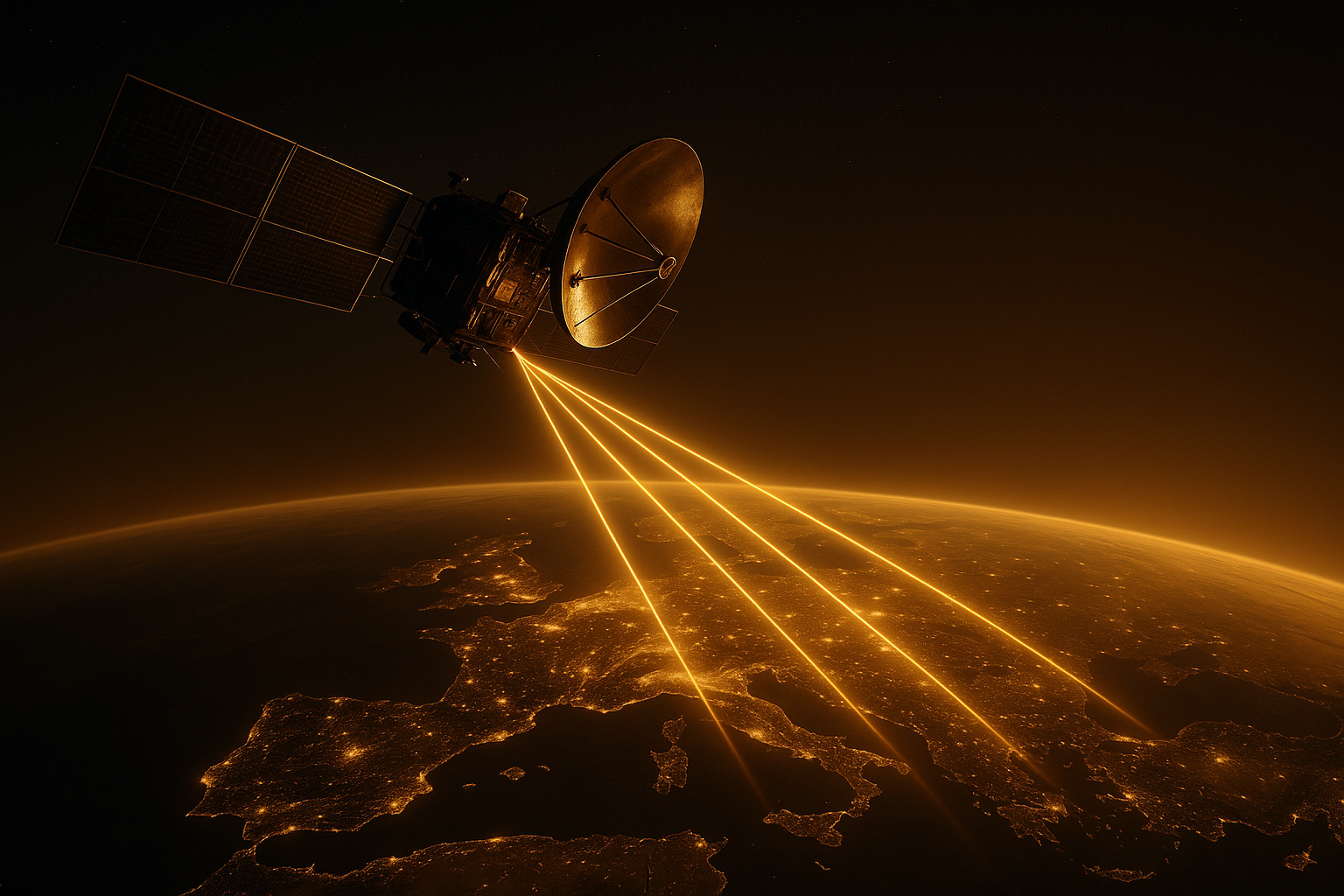
If you watch satellite TV in Europe, you’ve probably experienced this moment before: you turn on the TV, your favorite channel is gone, or the picture suddenly breaks into blocks. In most cases, the reason is simple — Hotbird frequencies change. In 2026, Hotbird 13°E continues to update transponders across Europe, and keeping an updated frequency list is the easiest way to avoid missing channels. This guide walks you through the latest Hotbird frequency updates in a clear, human way, without technical overload.
Before diving into the full list, it also helps to understand how Hotbird compares with other major European satellites. Many viewers combine Hotbird with Astra setups, especially when following HD and sports content. You can explore related frequency stability topics in Strongest Astra Frequencies for HD Channels 2026 and learn how to optimize Astra signal reception in Astra 28.2E Frequency Settings 2026 Signal Boost.
Why Hotbird Frequencies Change in 2026
Satellite frequency changes are a normal part of broadcasting. Broadcasters update transponders to improve signal quality, add HD versions of channels, reduce interference, or reorganize packages. In 2026, Hotbird continues this process to support more efficient DVB-S2 broadcasting and wider European coverage. This is why rescanning and using an updated frequency list is essential for uninterrupted viewing.
Hotbird Coverage Across Europe
Hotbird 13°E covers almost all of Europe, North Africa, and parts of the Middle East. In central and southern Europe, reception is usually very strong even with medium-size dishes. Northern and fringe regions may require slightly larger dishes, but Hotbird remains one of the most reliable satellites for multilingual European content.
Hotbird New Frequencies 2026
Below are some of the most active and stable Hotbird frequencies updated for 2026. These transponders carry a mix of news, entertainment, cultural, and international channels, including many free-to-air options.
- 10719 V 27500 DVB-S2
- 10815 H 27500 DVB-S2
- 10930 V 30000 DVB-S2
- 11034 V 27500 DVB-S2
- 11219 H 27500 DVB-S2
- 11373 H 27500 DVB-S2
- 11449 V 27500 DVB-S2
- 11623 V 27500 DVB-S2
- 11747 H 27500 DVB-S2
Updated Hotbird Frequency Table 2026
| Frequency | Polarization | Symbol Rate | Broadcast Type | Notes |
|---|---|---|---|---|
| 10719 | V | 27500 | DVB-S2 | European News |
| 10815 | H | 27500 | DVB-S2 | Entertainment |
| 10930 | V | 30000 | DVB-S2 | HD Channels |
| 11034 | V | 27500 | DVB-S2 | Cultural Content |
| 11219 | H | 27500 | DVB-S2 | International |
How to Scan Hotbird Frequencies Correctly
To avoid missing channels, always perform a manual or blind scan after updating frequencies. Make sure your receiver supports DVB-S2, select Hotbird 13°E, and enter the frequency details carefully. A blind scan is recommended if multiple channels are missing, as it automatically detects all active transponders.
Tips for Stable Hotbird Reception
Even with correct frequencies, reception quality depends on hardware and installation. These tips help maintain stable signal throughout 2026:
- Use a dish size of at least 80–90 cm for consistent reception
- Install a low-noise LNB with good shielding
- Secure the dish firmly to avoid wind movement
- Replace old or damaged coaxial cables
- Rescan channels after major weather changes
Reality Check
Hotbird frequencies may change during the year without notice. Some channels also switch between encrypted and free-to-air status. Keeping an updated frequency list and rescanning regularly is the only way to stay current.
Final Verdict
Hotbird remains one of the strongest satellites for European viewers in 2026. With this updated frequency list and proper scanning habits, you can enjoy stable access to news, entertainment, and international channels without frustration or sudden channel loss.
FAQ
Do Hotbird frequencies change often?
Minor changes can happen several times a year, especially when new HD channels are added.
Is Hotbird free to watch?
Many Hotbird channels are free-to-air, while others require subscriptions depending on the broadcaster.
Do I need internet for Hotbird channels?
No internet connection is required. Satellite reception works independently of internet access.