Sports TV in Austria 2026 Home Viewing Patterns
Estimated reading time: 14 minutes.
In Austria in 2026, watching sports at home follows a clear daily rhythm. The living room becomes a flexible space that adapts to different moments of the day. Sometimes it is quiet and passive. At other times it becomes active and focused during live matches.
Sports TV fits into these home patterns naturally. It moves with the household routine and supports both background viewing and full attention moments.
Quick Context
This article explains how Austrian households organize sports TV viewing at home in 2026 and how matches fit into everyday routines and shared spaces.
- The living room as the main sports space
- Home layout and screen visibility
- Background sports viewing during the day
- Transition from background to focused viewing
- Evening match setup inside the home
- Family interaction during sports viewing
- Sound levels and atmosphere
- Home viewing patterns for sports TV
- Reality Check
- Final Verdict
- Frequently Asked Questions
The living room as the main sports space
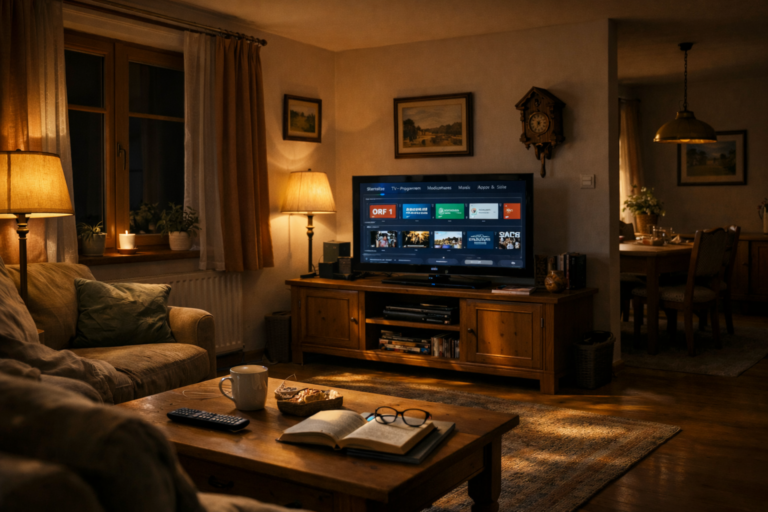
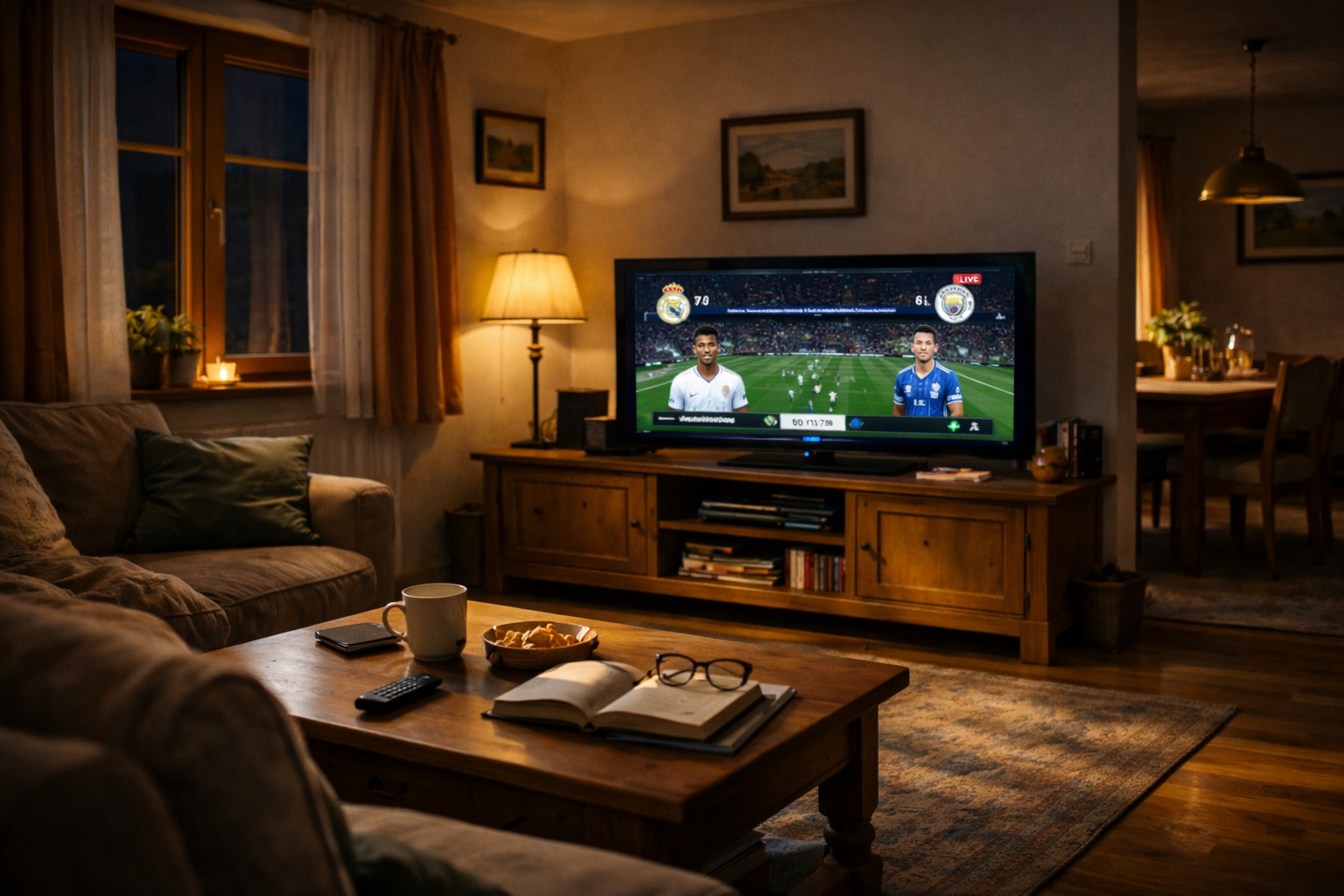
In most Austrian homes, the living room is the center of sports viewing. The main screen is placed where everyone can see it comfortably.
This creates a shared environment where sports become a household activity.
Home layout and screen visibility
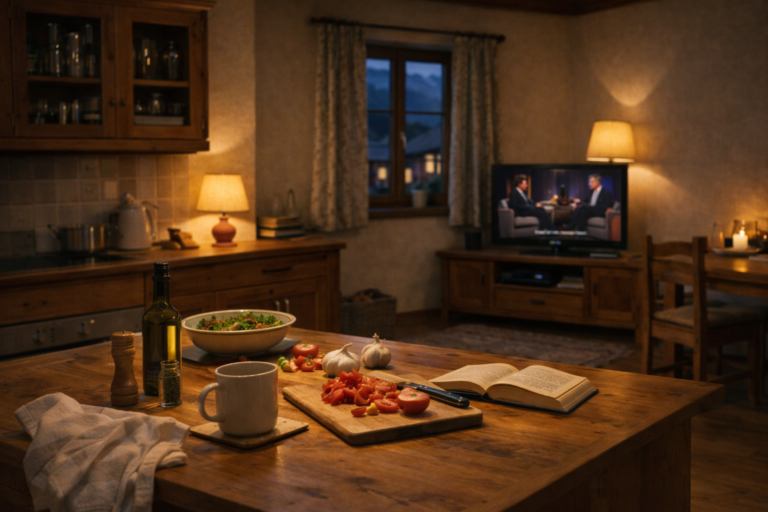
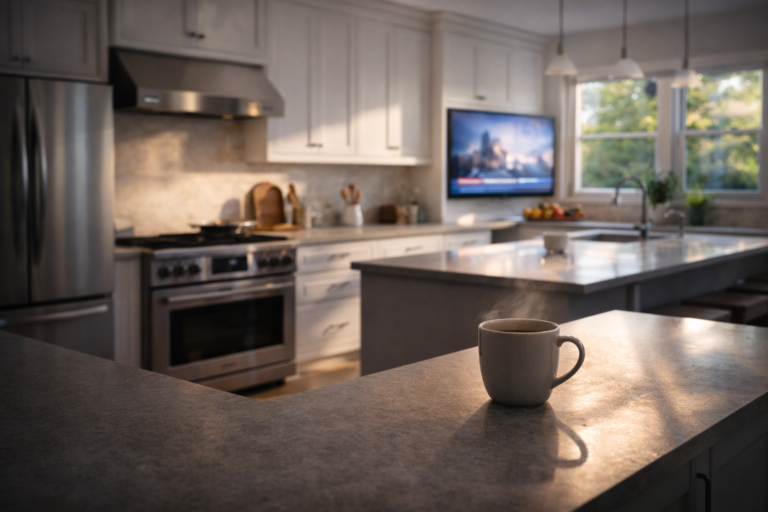
Many homes are designed so the TV can be seen from multiple angles. It is visible from the sofa, the dining area, and sometimes the kitchen.
This allows sports content to remain present even when people move around.
Background sports viewing during the day
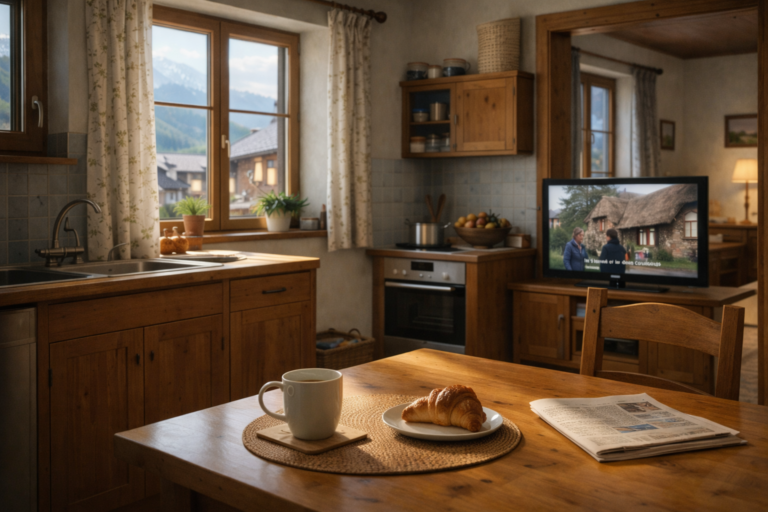
During the day, sports channels often play in the background. Highlights, replays, and analysis run while people complete their daily tasks.
This keeps the sports environment active without demanding full attention.
Transition from background to focused viewing
As the day progresses, viewing slowly becomes more focused. Viewers move from passive listening to active watching when important matches begin.
This transition is smooth because the TV has already been part of the room.
Evening match setup inside the home
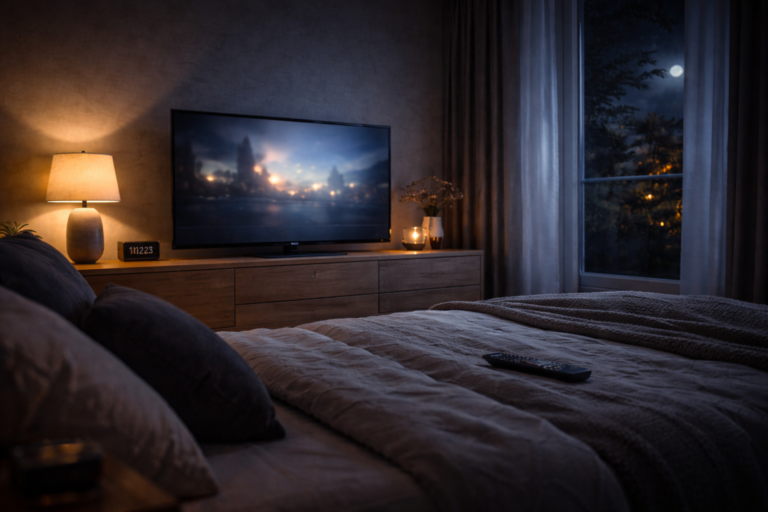
In the evening, households often adjust their space for live matches. Seating positions change, lighting becomes softer, and attention increases.
The TV becomes the main focus during this time.
Family interaction during sports viewing
Sports viewing often becomes a shared activity. Family members talk, react, and comment on the match together.
This creates a social experience inside the home.
Sound levels and atmosphere
Sound levels change depending on the moment. During the day, volume is low. During live matches, volume increases and energy rises.
This shift reflects the change from passive to active viewing.
Home sports TV viewing patterns in Austria 2026
| Home moment | Viewer activity | Viewing style |
|---|---|---|
| Morning | Light activity at home | Quick sports updates |
| Midday | Daily tasks and work | Background highlights |
| Afternoon | Moving between activities | Passive viewing |
| Evening | Watching live matches | Focused and social viewing |
Reality Check
Sports TV in Austria in 2026 adapts to the home environment. It supports both background activity and focused match watching without disrupting daily life.
Final Verdict
Final Verdict
Sports TV in Austria in 2026 fits naturally into home viewing patterns. It moves with the rhythm of the household and becomes a shared experience during live matches. This balance between passive and active viewing makes it a key part of daily home life.
Frequently Asked Questions
| Question | Answer |
|---|---|
| Where do people usually watch sports at home | Most viewers watch in the main living room where the TV is easily visible. |
| Is sports TV watched all day | Yes, it can run in the background during the day and become focused viewing in the evening. |
| Do families watch sports together | In many homes, yes. Sports viewing often becomes a shared family activity. |
| Why does sports TV fit home routines | Because it can be both passive and active, matching different moments of the day. |